

About
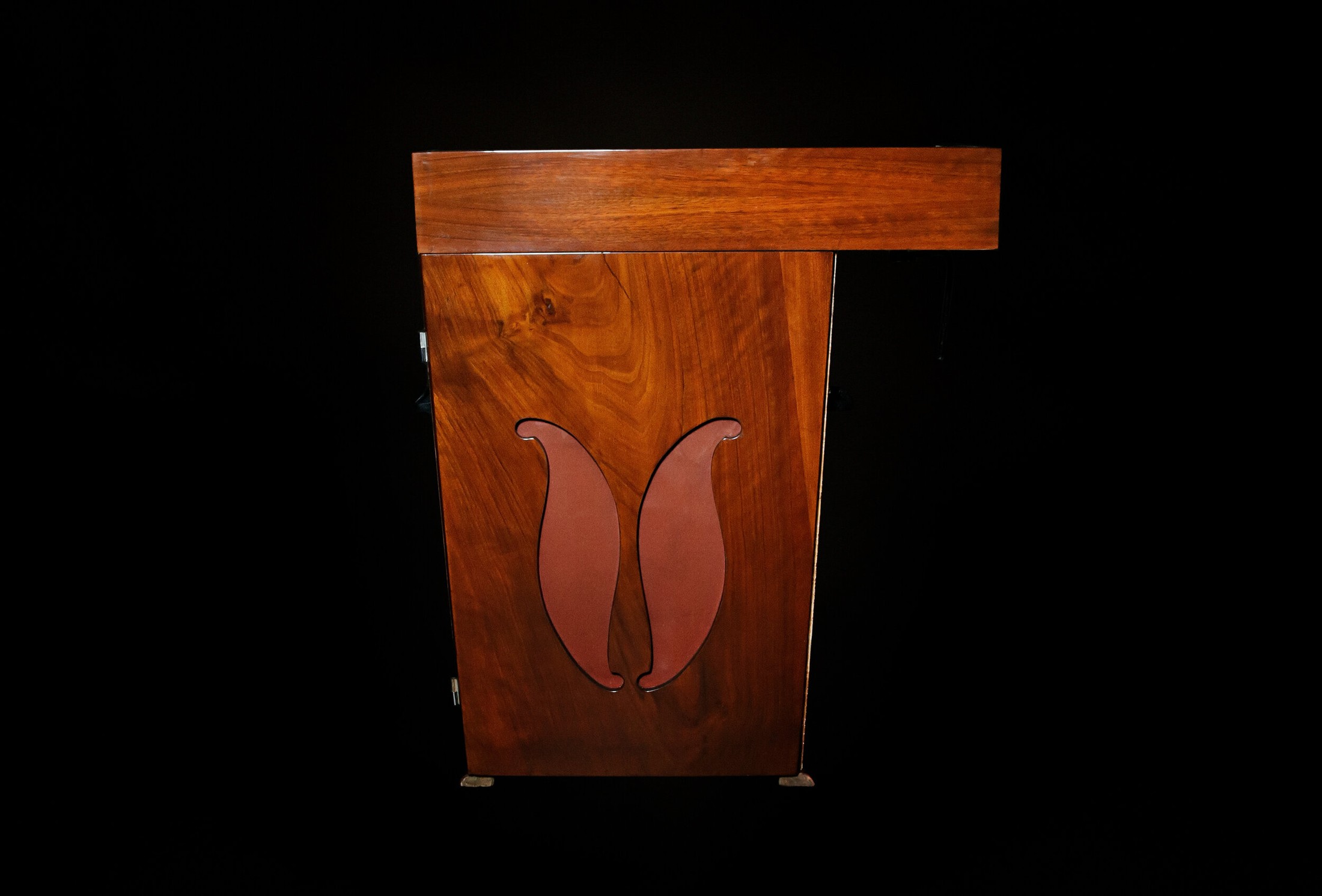
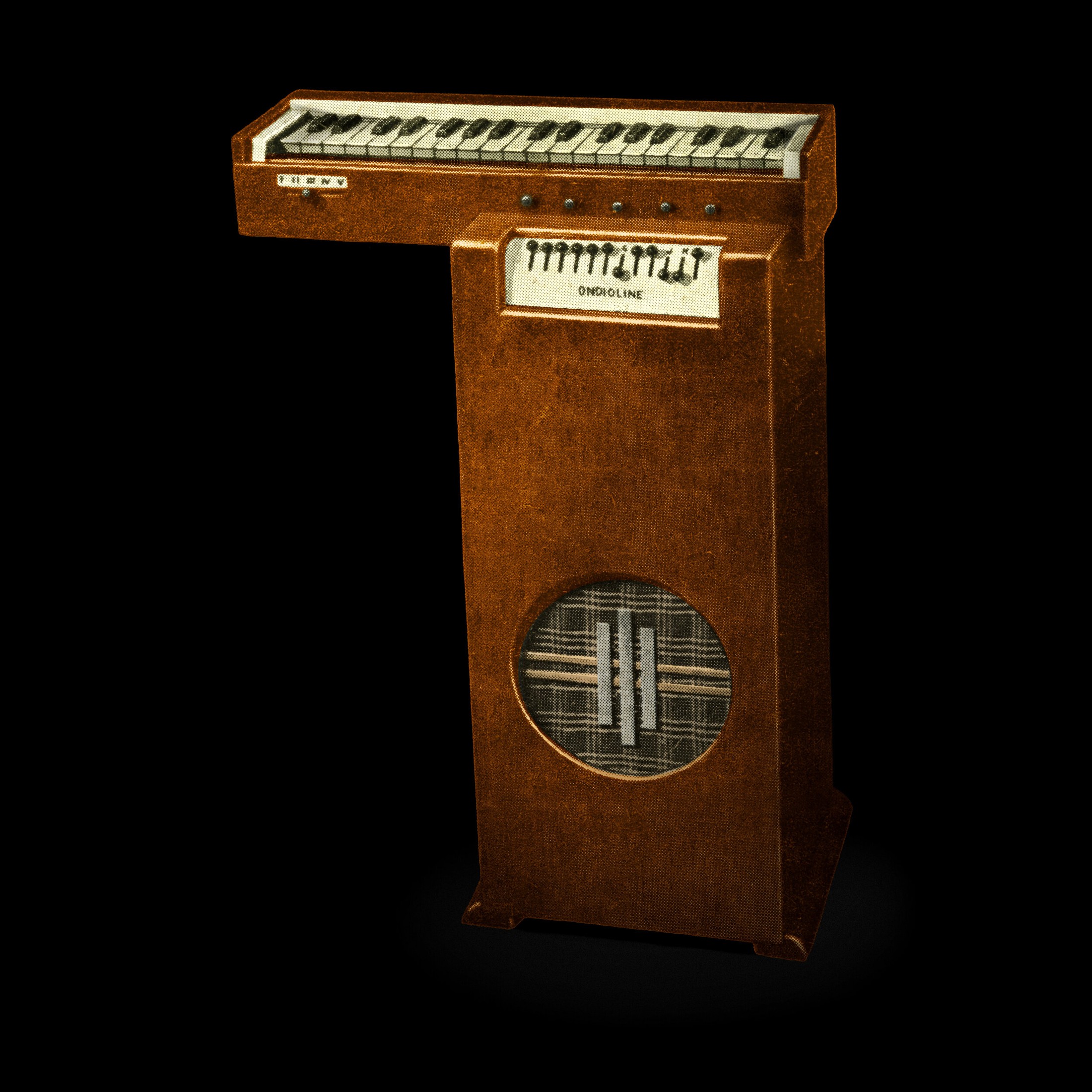
The Ondioline is an electronic musical instrument invented by Georges Jenny in France in the early 1940s and developed through a number of different models until his death in 1975. This versatile and expressive instrument is monophonic, but can produce a remarkable variety of sounds, from simulating orchestral instruments to creating unique and voice-like tones.

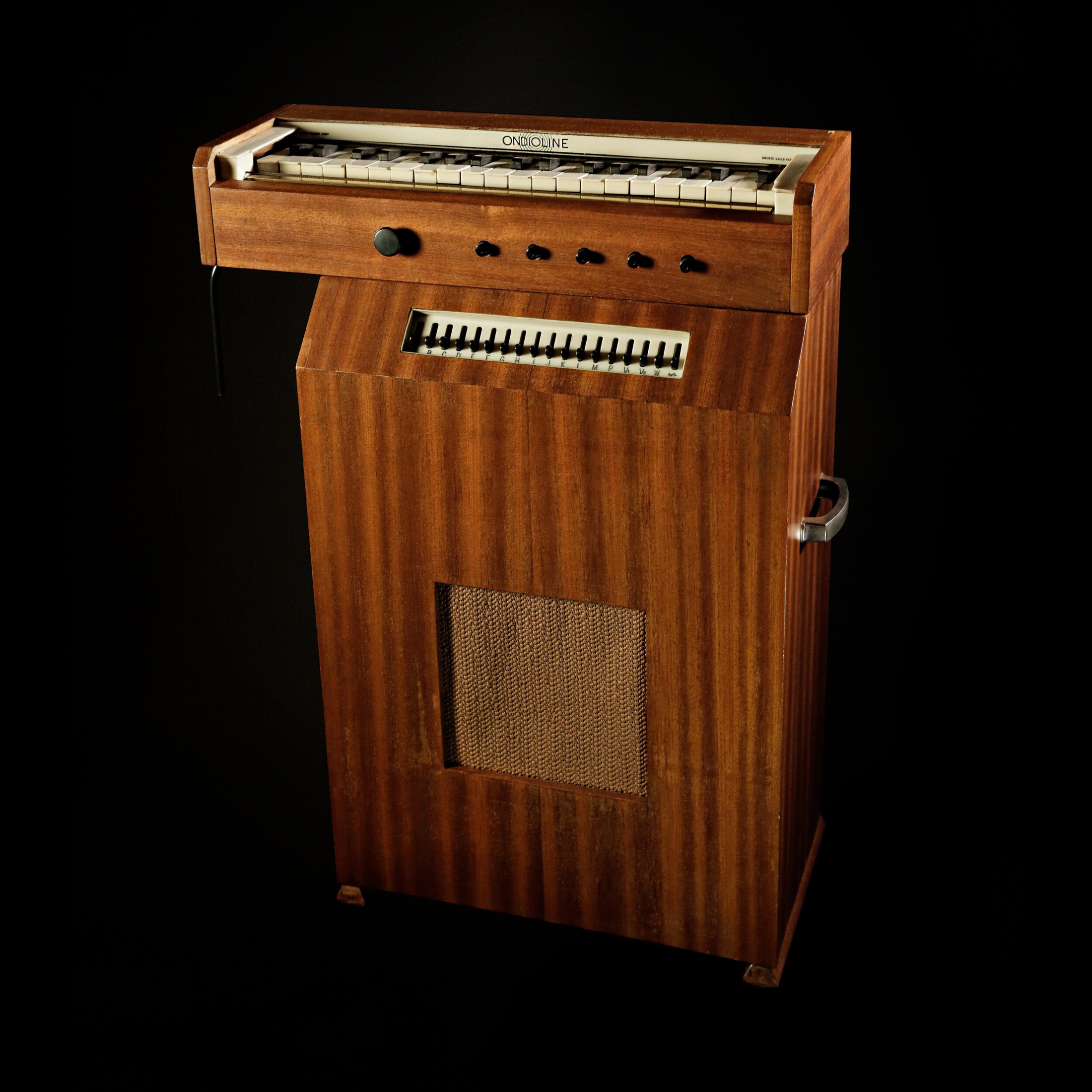
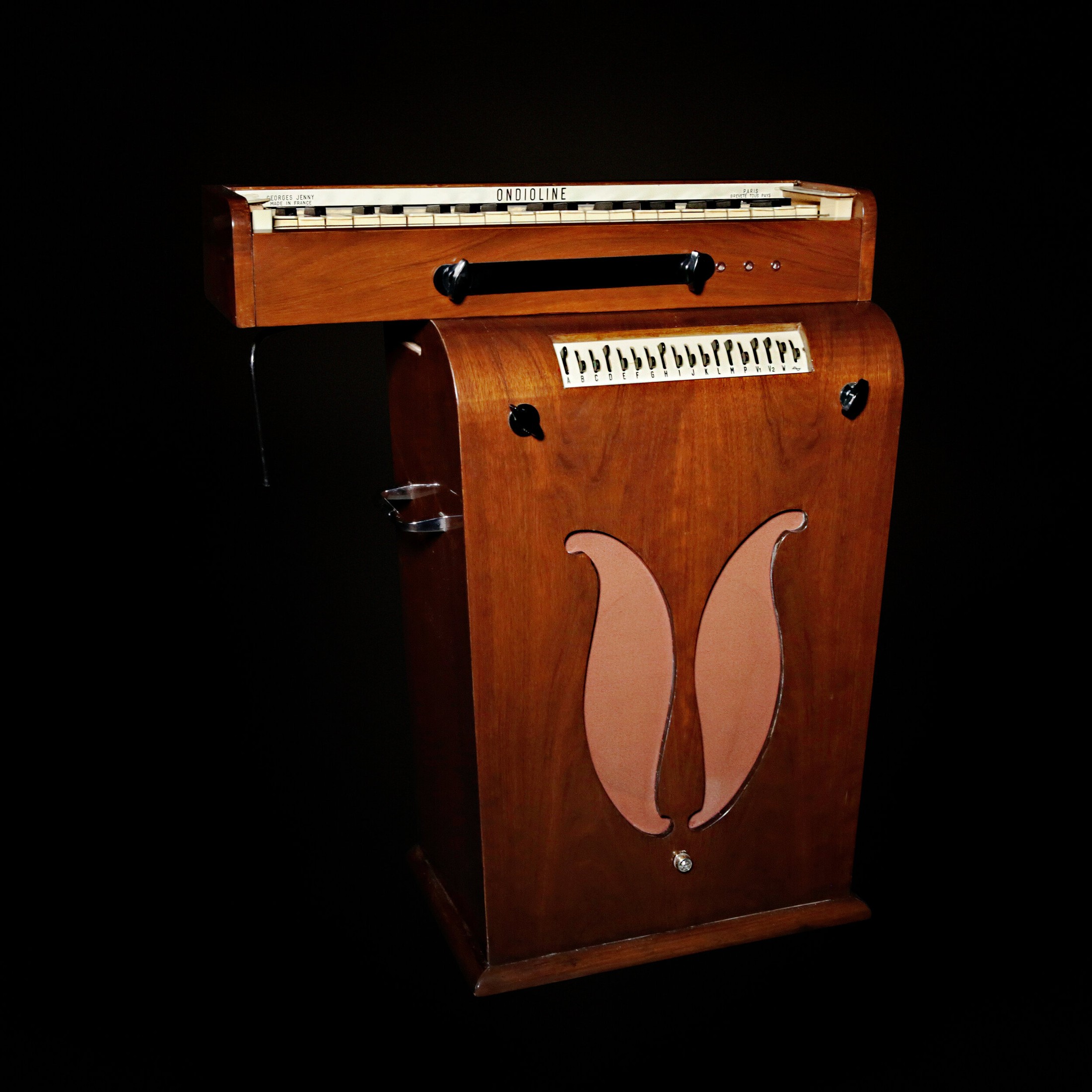
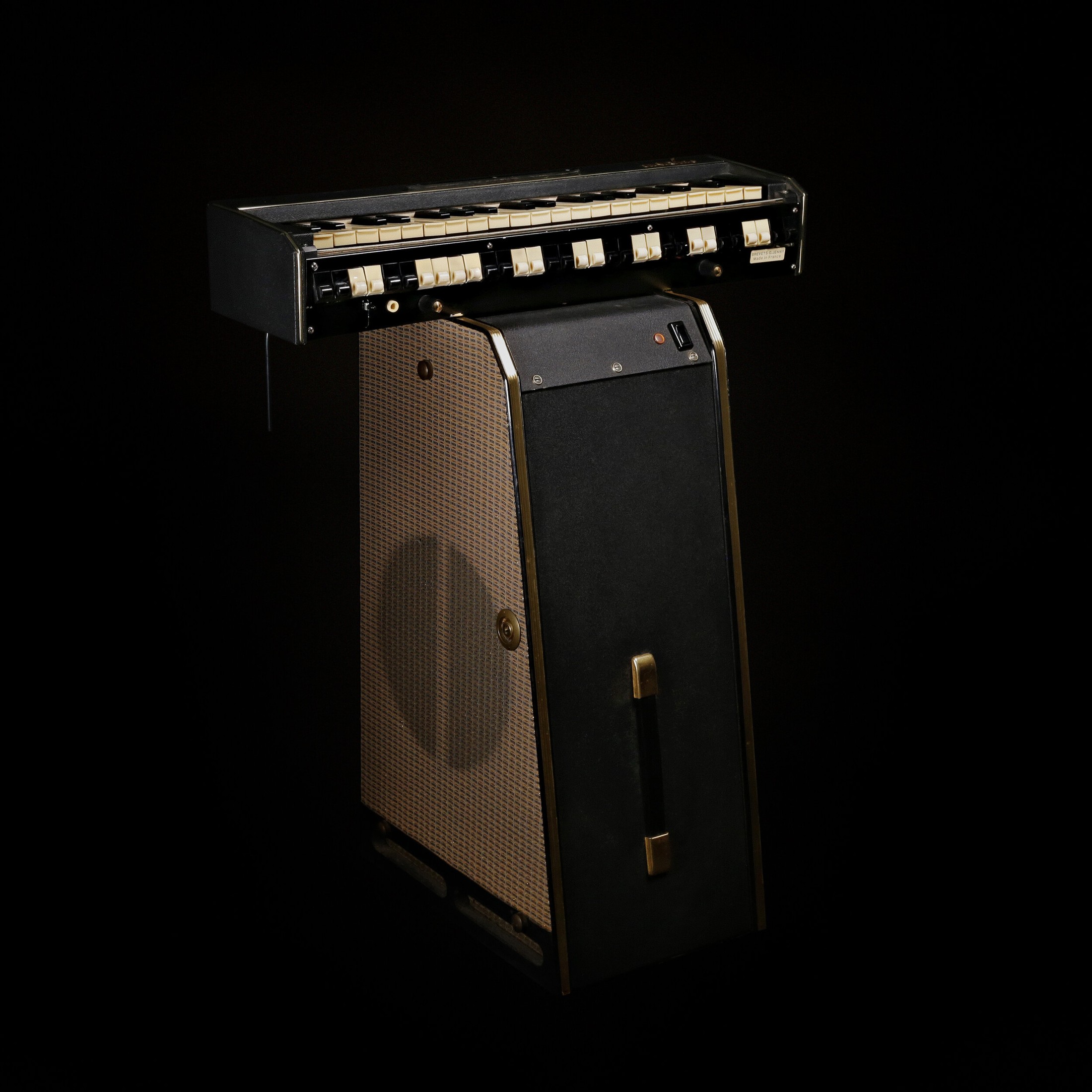
The instrument’s origins date to 1939 when Jenny spent time recovering from tuberculosis in a students’ sanatorium in the south of France. He convinced the doctors to allow him to set up an electronic music laboratory for his research, first next to the sanatorium’s morgue, then in other parts of the facility.
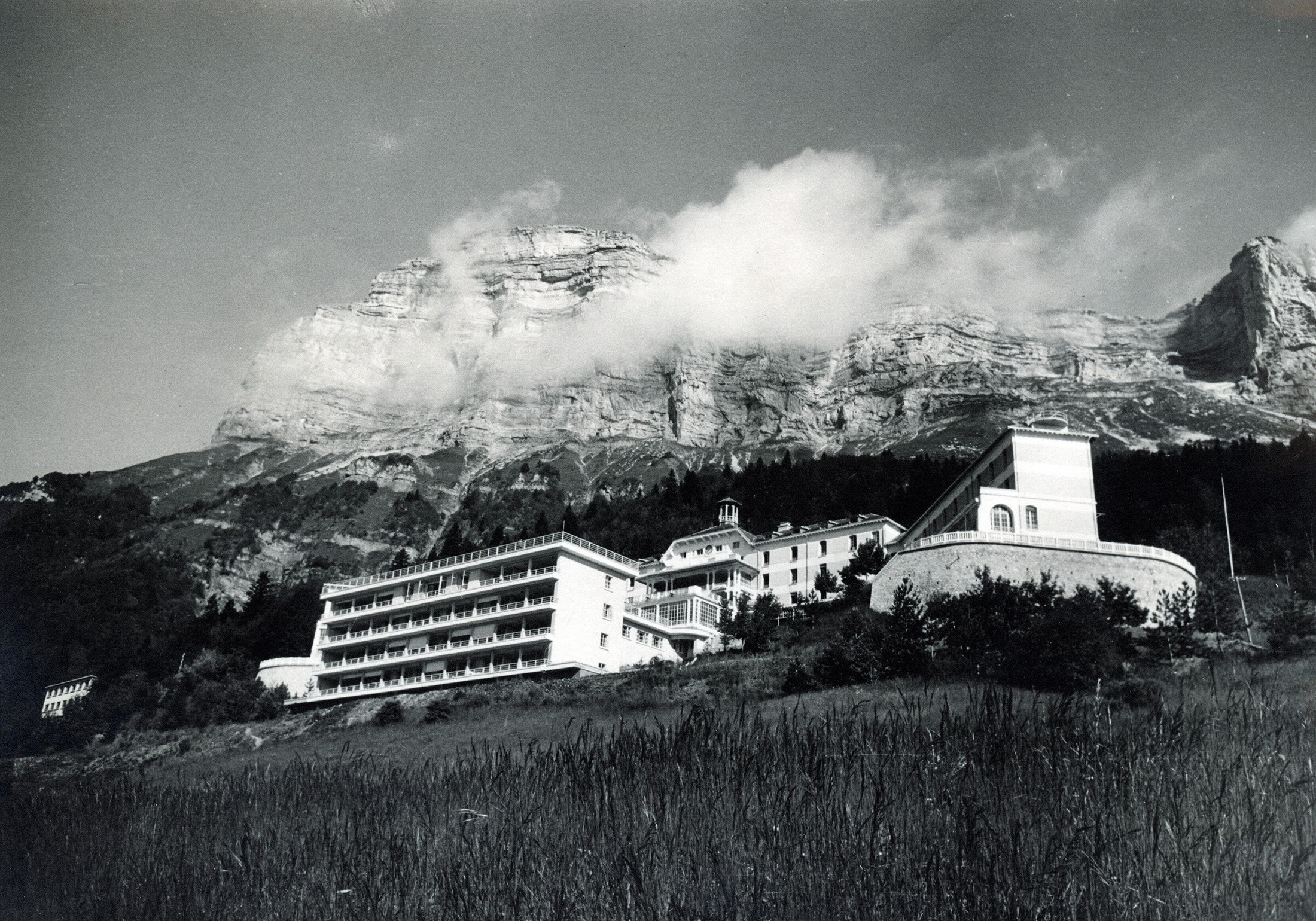

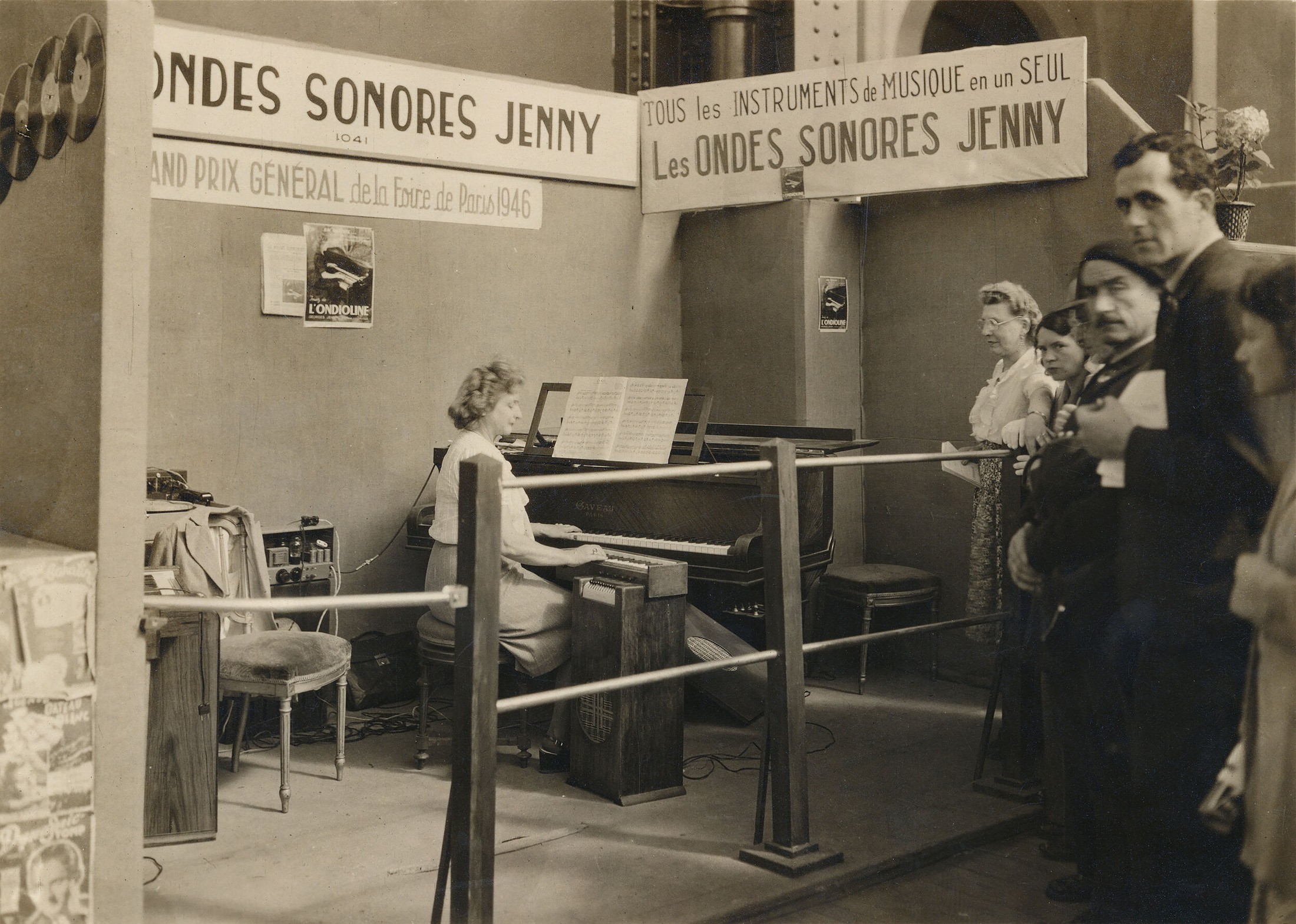
With loans from the Students’ Association of the sanatorium, Jenny attained his first patent and after a number of years of development, he took first prize in the prestigious inventions competition of the 1946 Paris Fair.
Under the name Les Ondes Sonores Jenny (Jenny’s Sound Waves) and with help from the Centre National de la Recherche Scientifique (National Center for Scientific Research), he began independently building and selling his instrument, christening it the Ondioline in 1947.
What followed was more than a decade of independent development, manufacture, promotion and sales of a series of evolving Ondiolines under the company name La Musique Électronique.
A bout of serious poliomyelitis in 1953 had doctors suggesting Jenny wouldn’t walk again, but remarkably, he made a gradual recovery and returned to his electronic music work by the end of the same year.
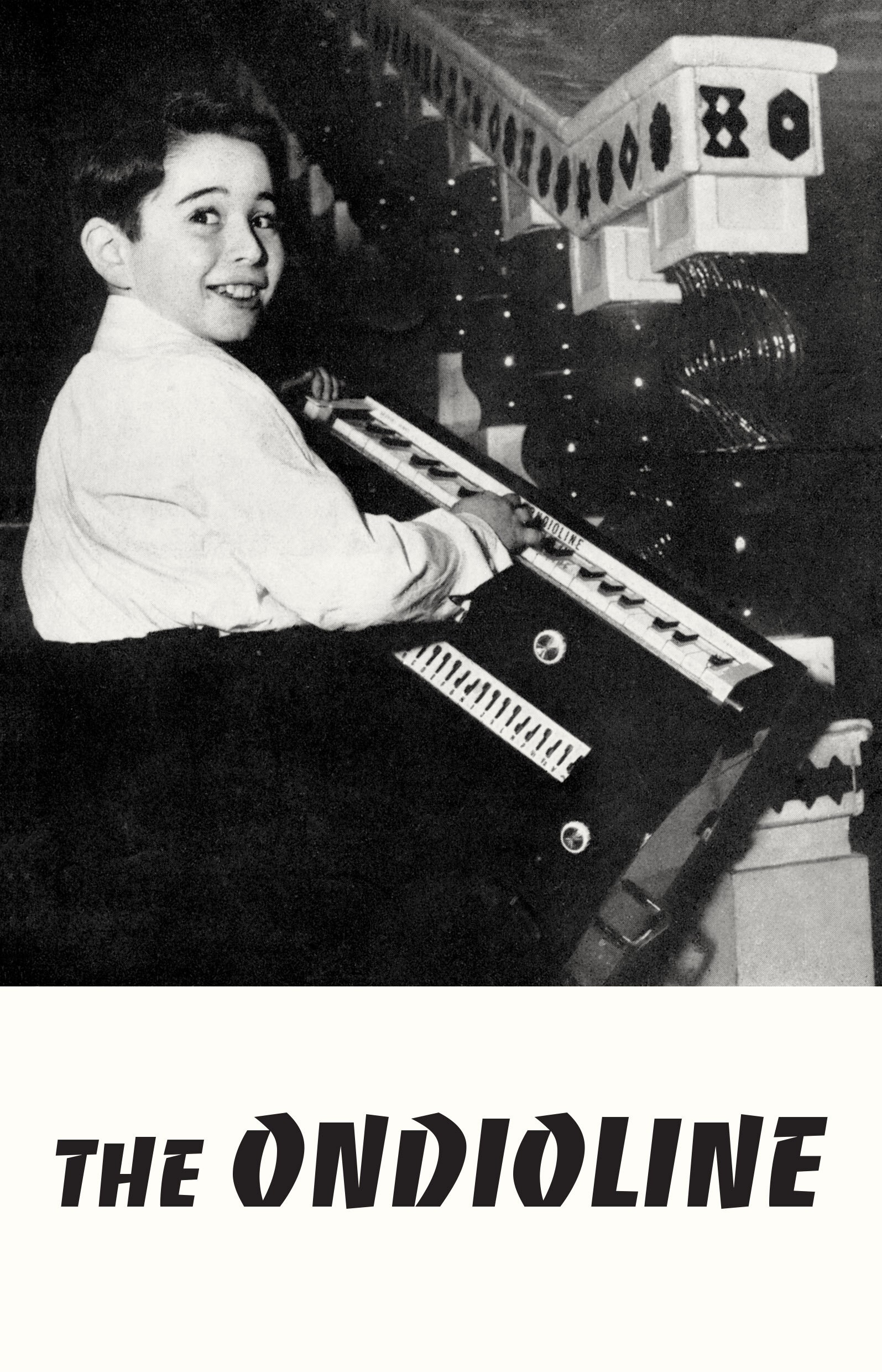
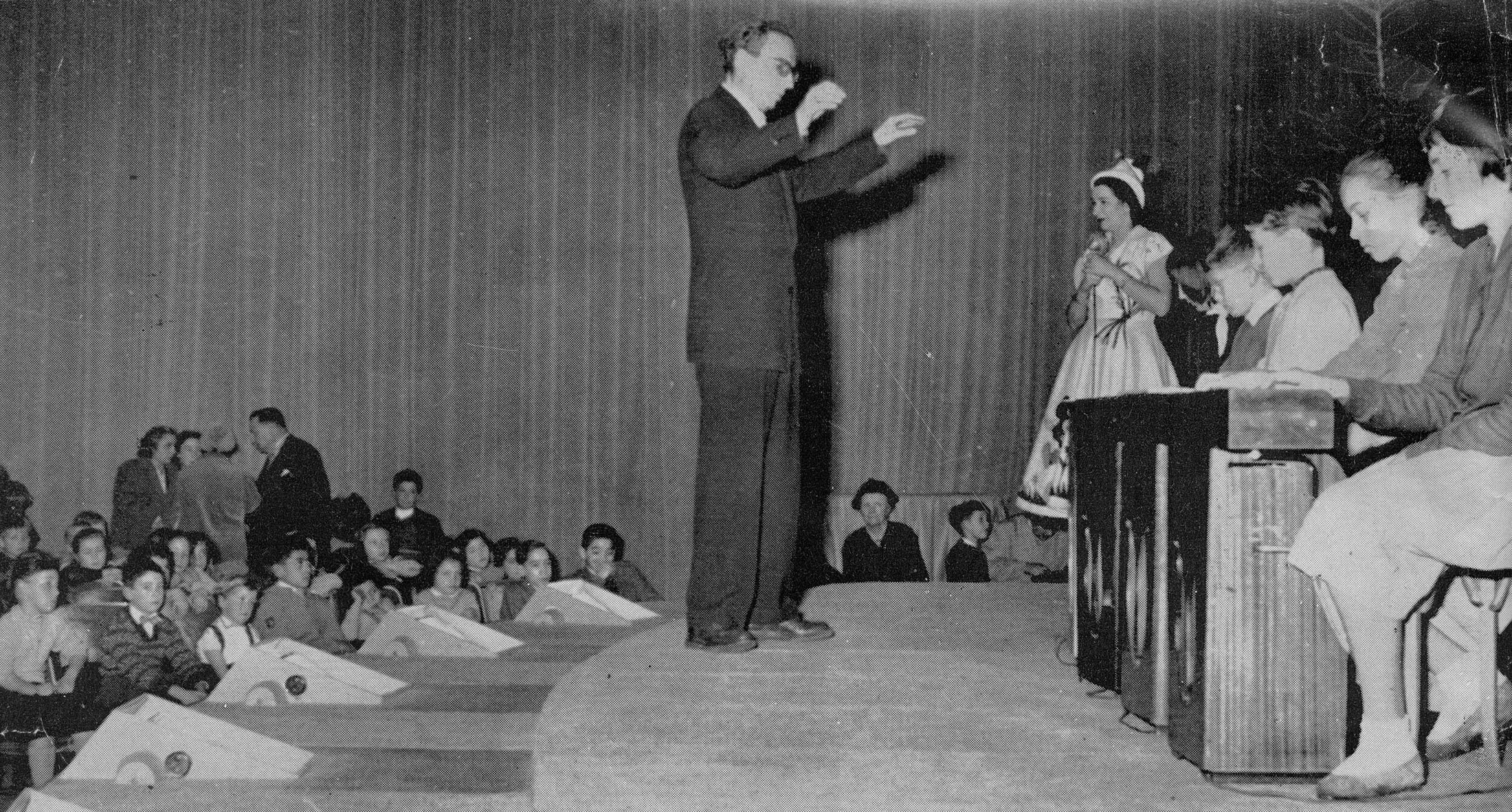
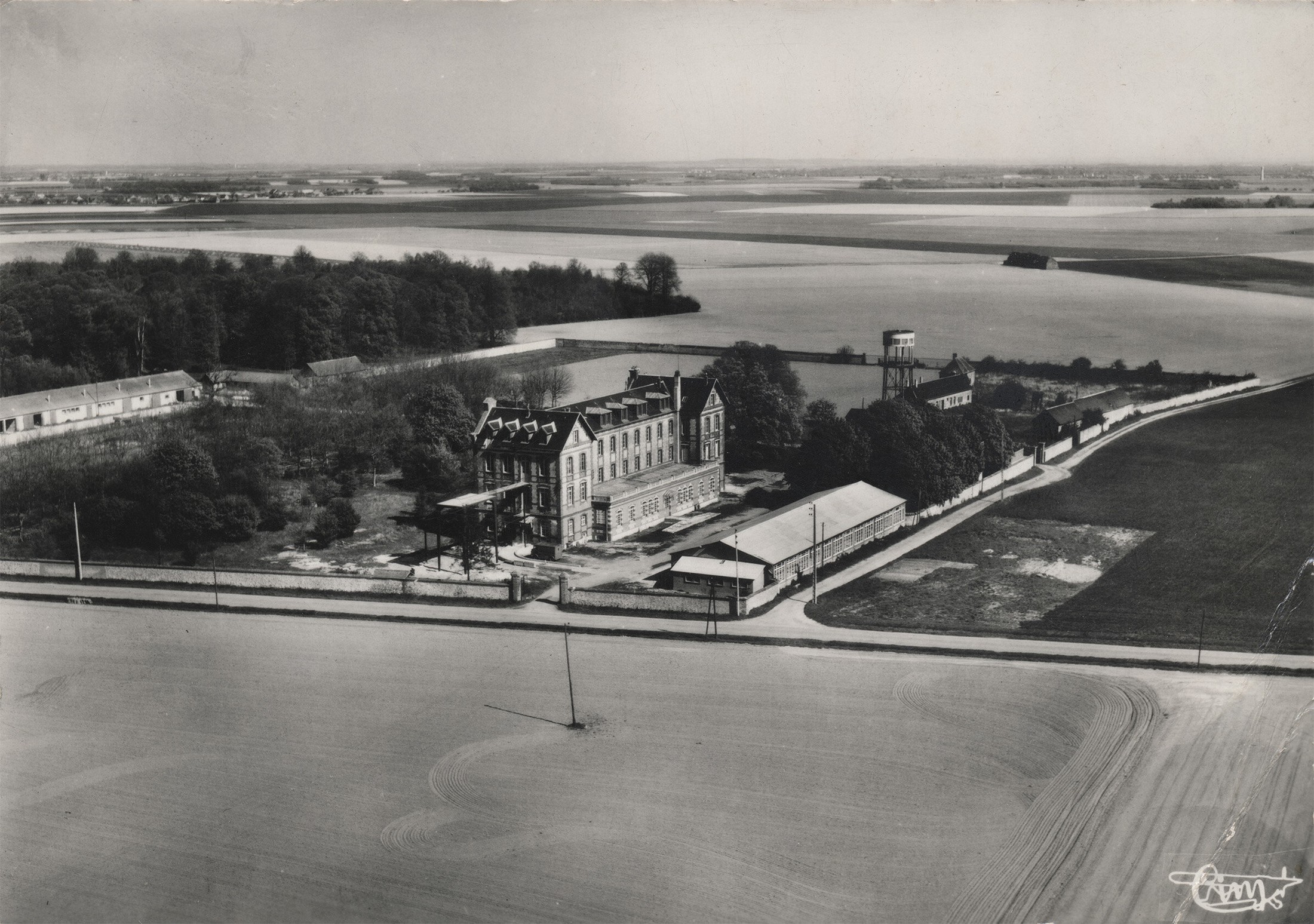
In the 1960s Jenny set up shop at LADAPT, a medical centre for paraplegics in a town named Quessigny, about an hour west of Paris. Inspired by the organization’s mission to provide contexts for physically disabled people to learn new skills and return to meaningful work, he developed a transistorized Ondioline which was manufactured by patients at the center.
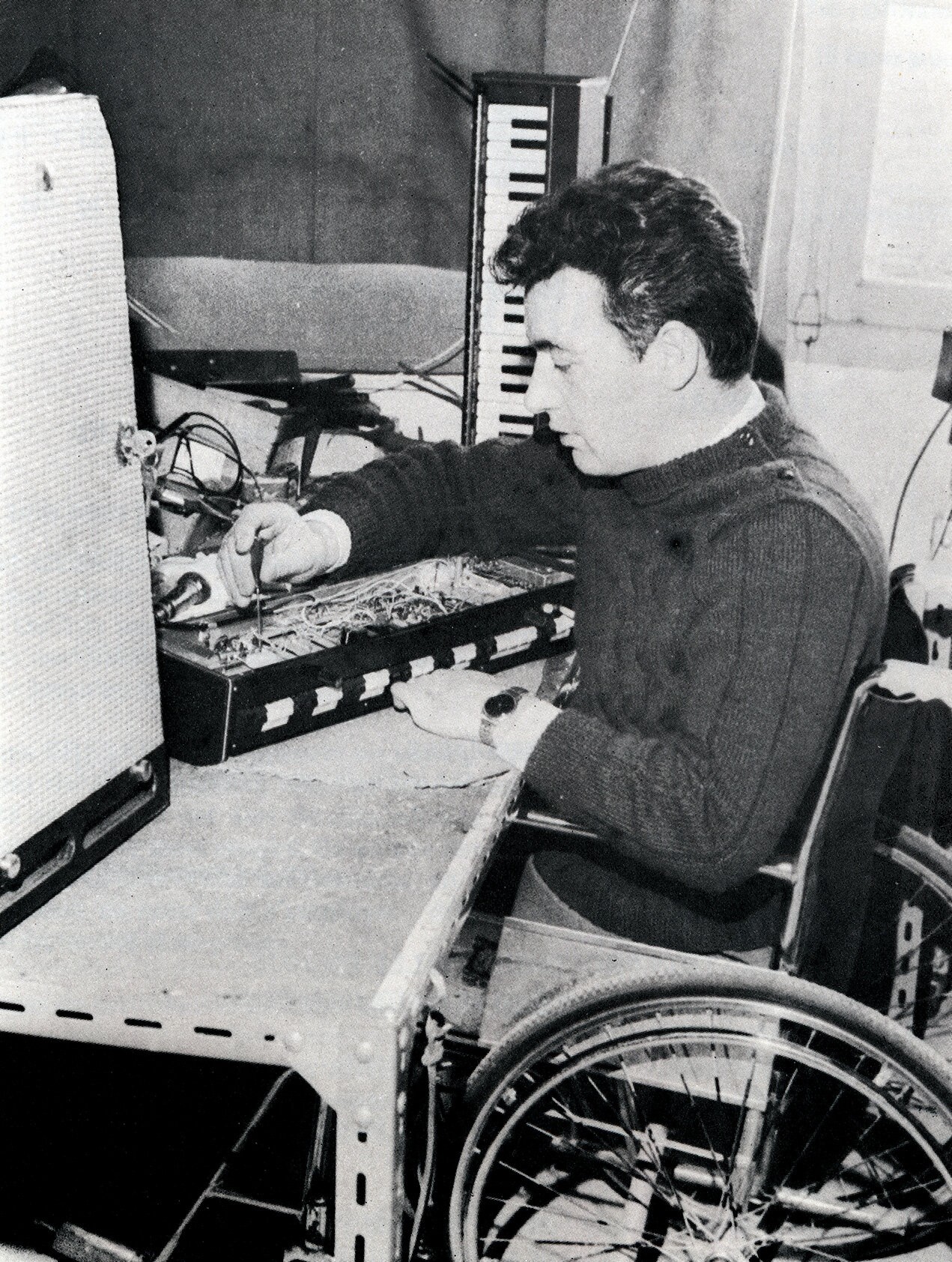
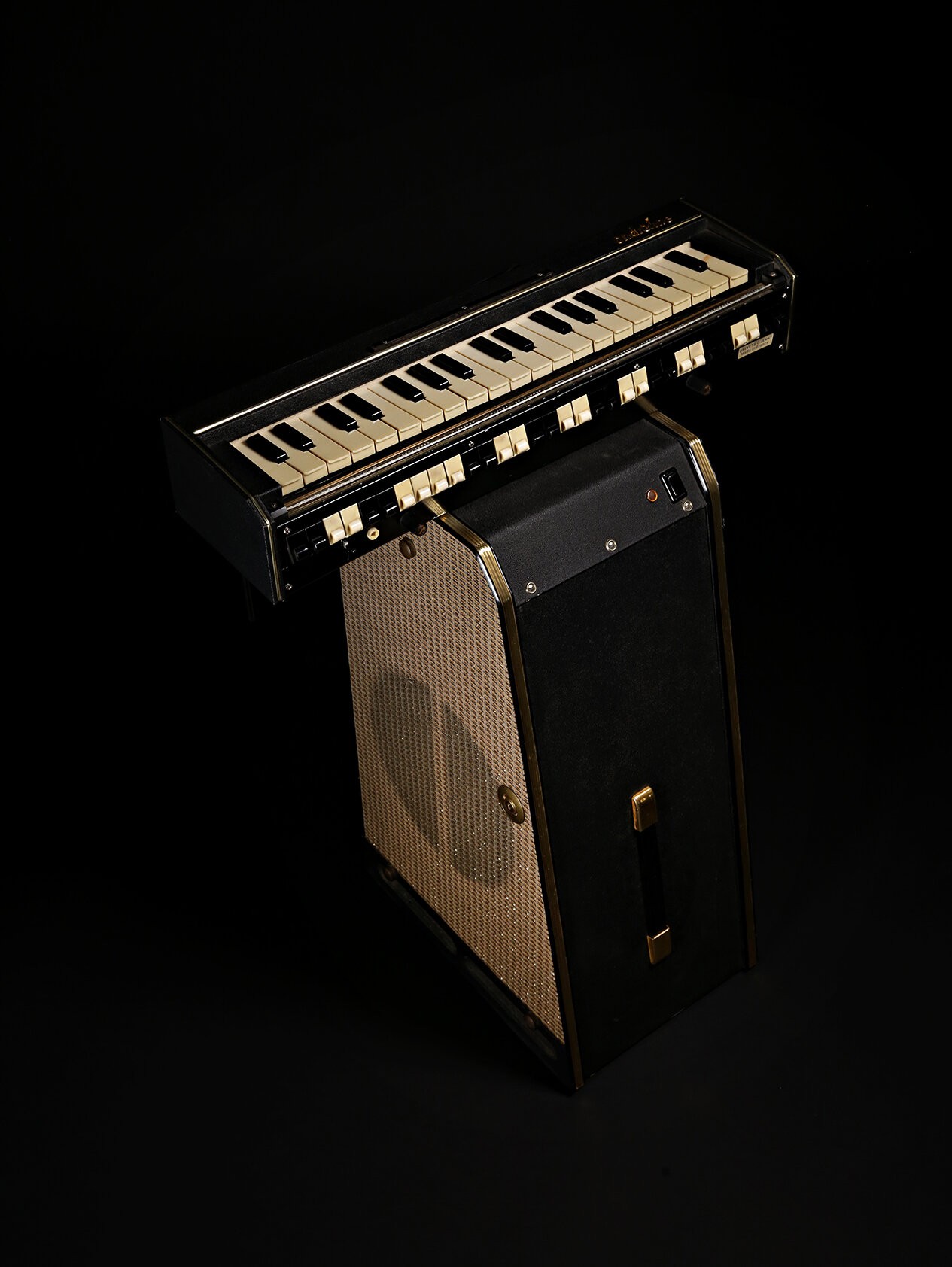
In total, around 1200 Ondiolines were built between the mid 1940s and late 1960s, most of them handmade by Jenny himself. The instrument was also offered in “kit” form, where Jenny recommended purchasing the more complex assemblies – such as the keyboard – as complete units. The schematics were made available for amateur engineers to construct their own custom instruments, and they were encouraged to experiment with the amplifier, tone circuits and cabinetry.
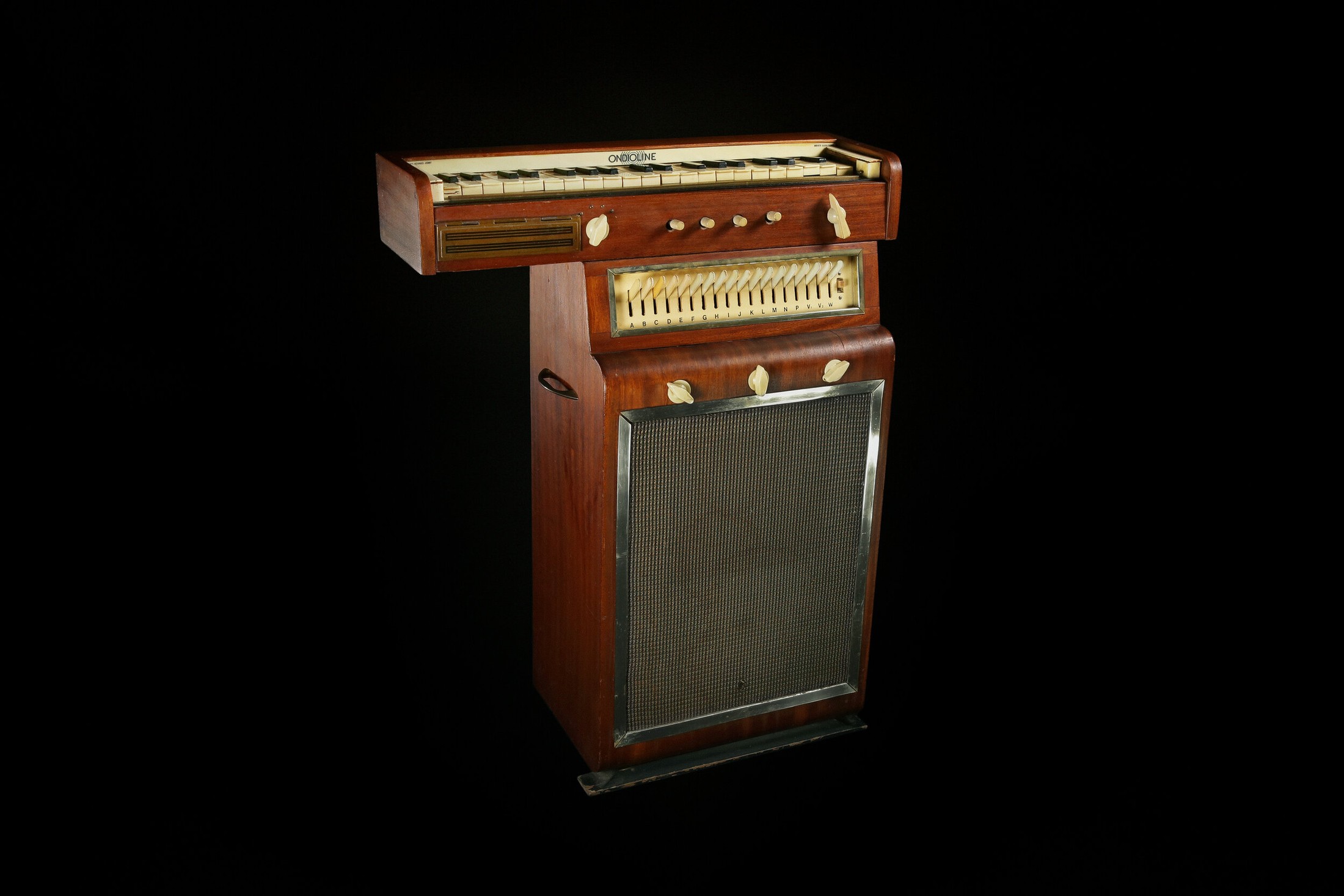
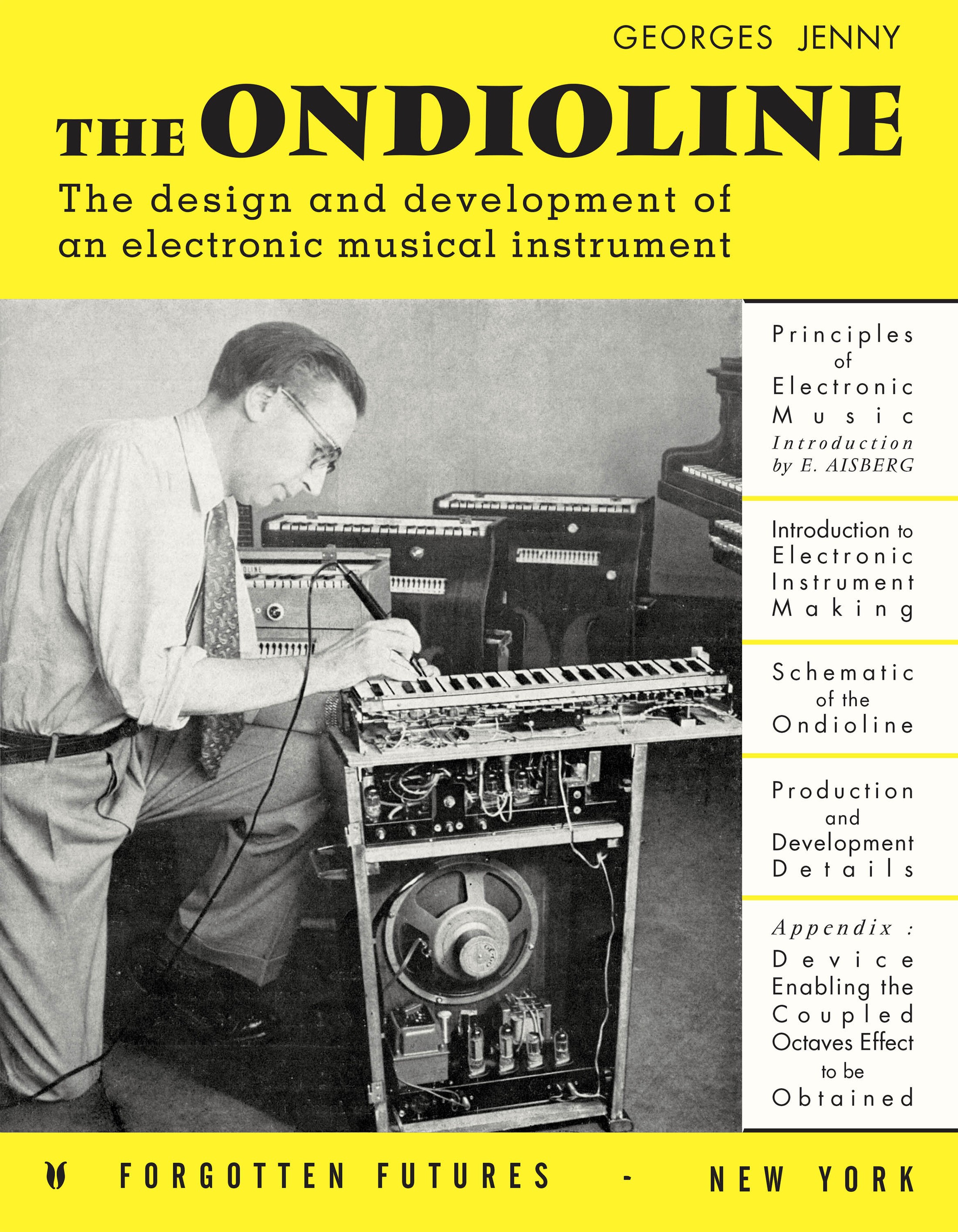
Although a number of musicians played Ondiolines in eclectic contexts through the years, the instrument’s main proponent and arguably sole virtuoso was Jean-Jacques Perrey [1929-2016].
After meeting Jenny around 1950, Perrey became the Ondioline’s official demonstrator and traveling salesman, later using the instrument on a number of pioneering electronic pop records produced in New York with Gershon Kingsley, Angelo Badalamenti and under his own name. His technique of self-accompanying – playing the piano with his left hand while fluidly changing sounds and soloing on Ondioline with his right hand and knee – was a feat of remarkable musical dexterity.
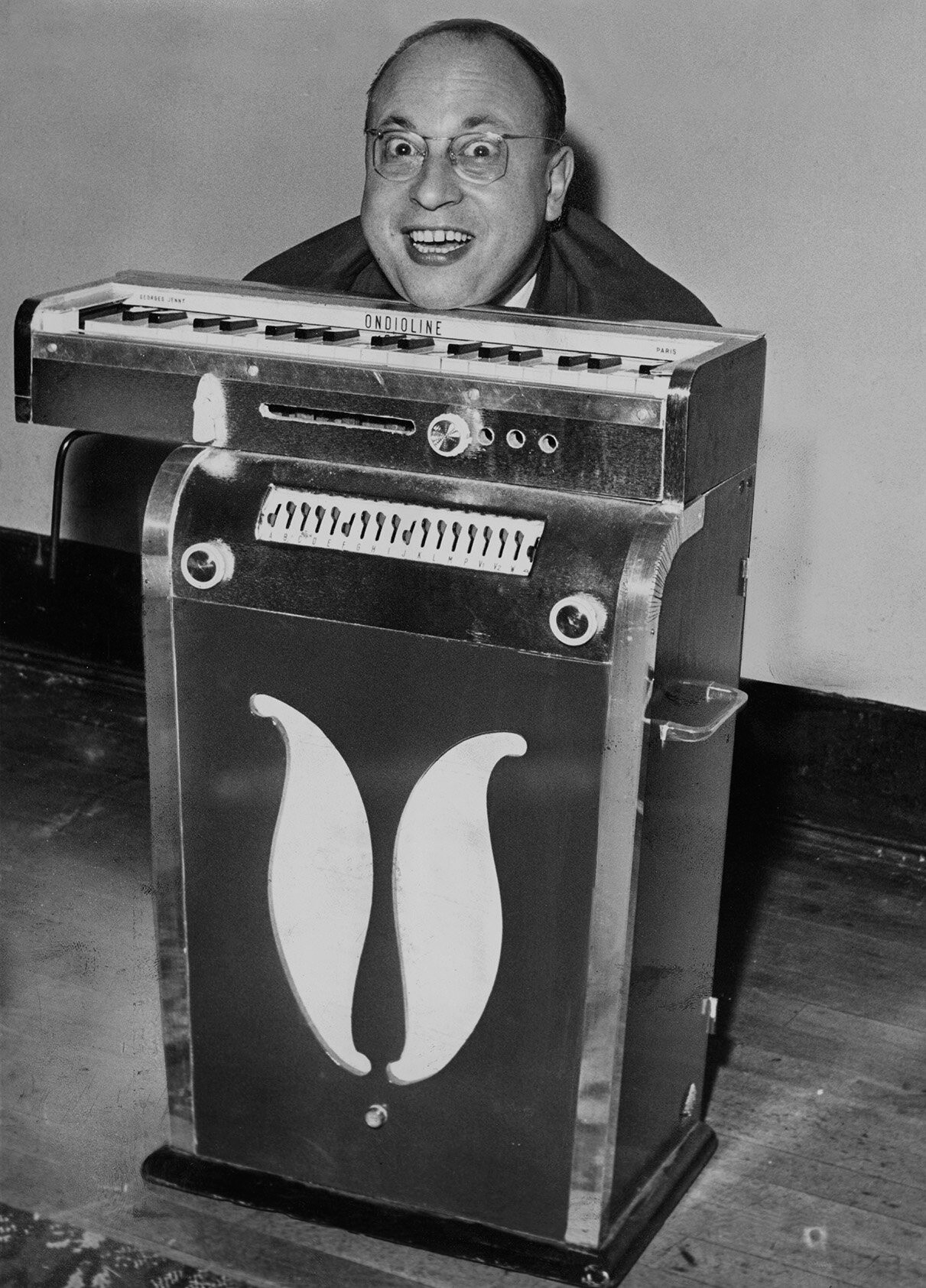
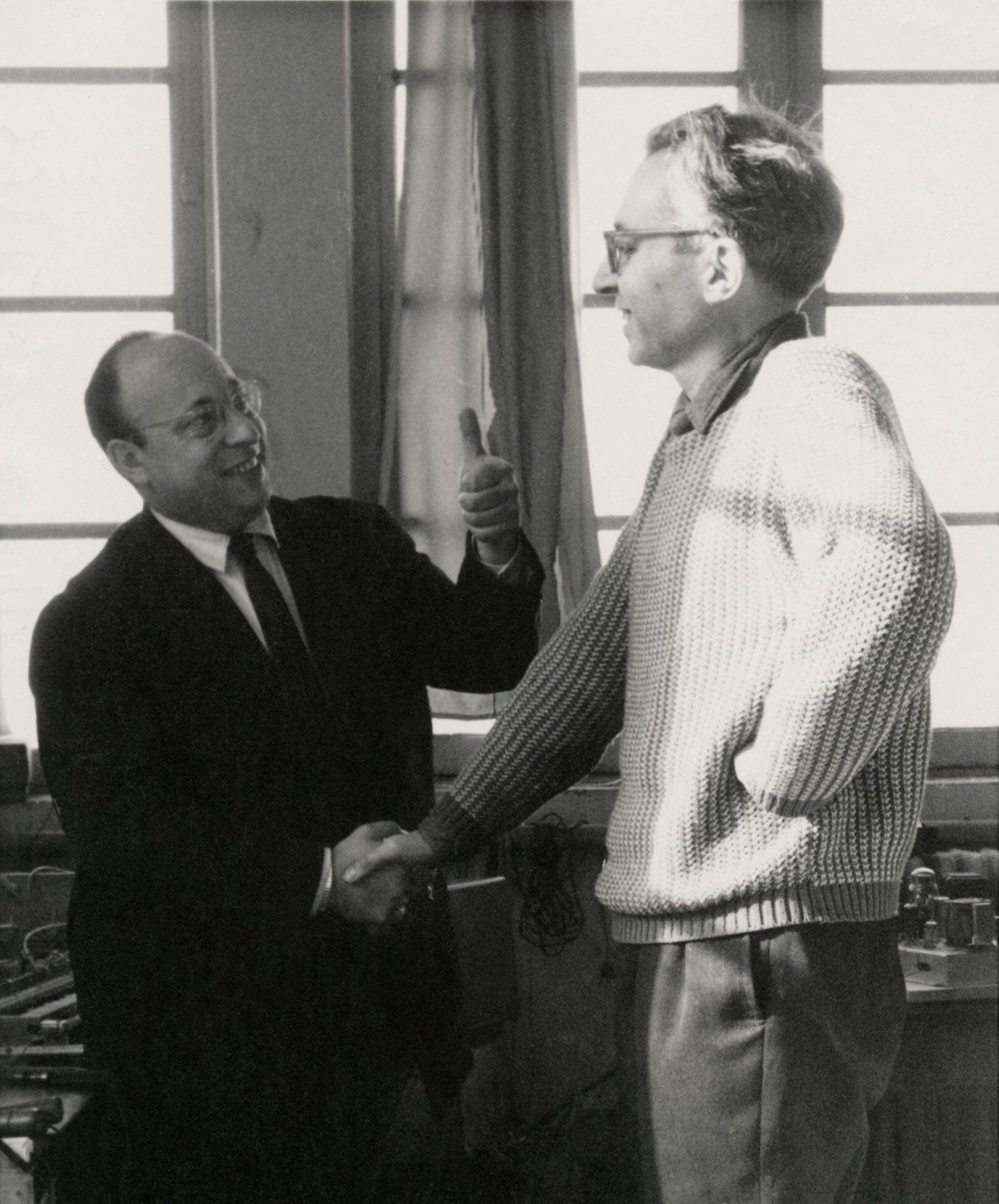
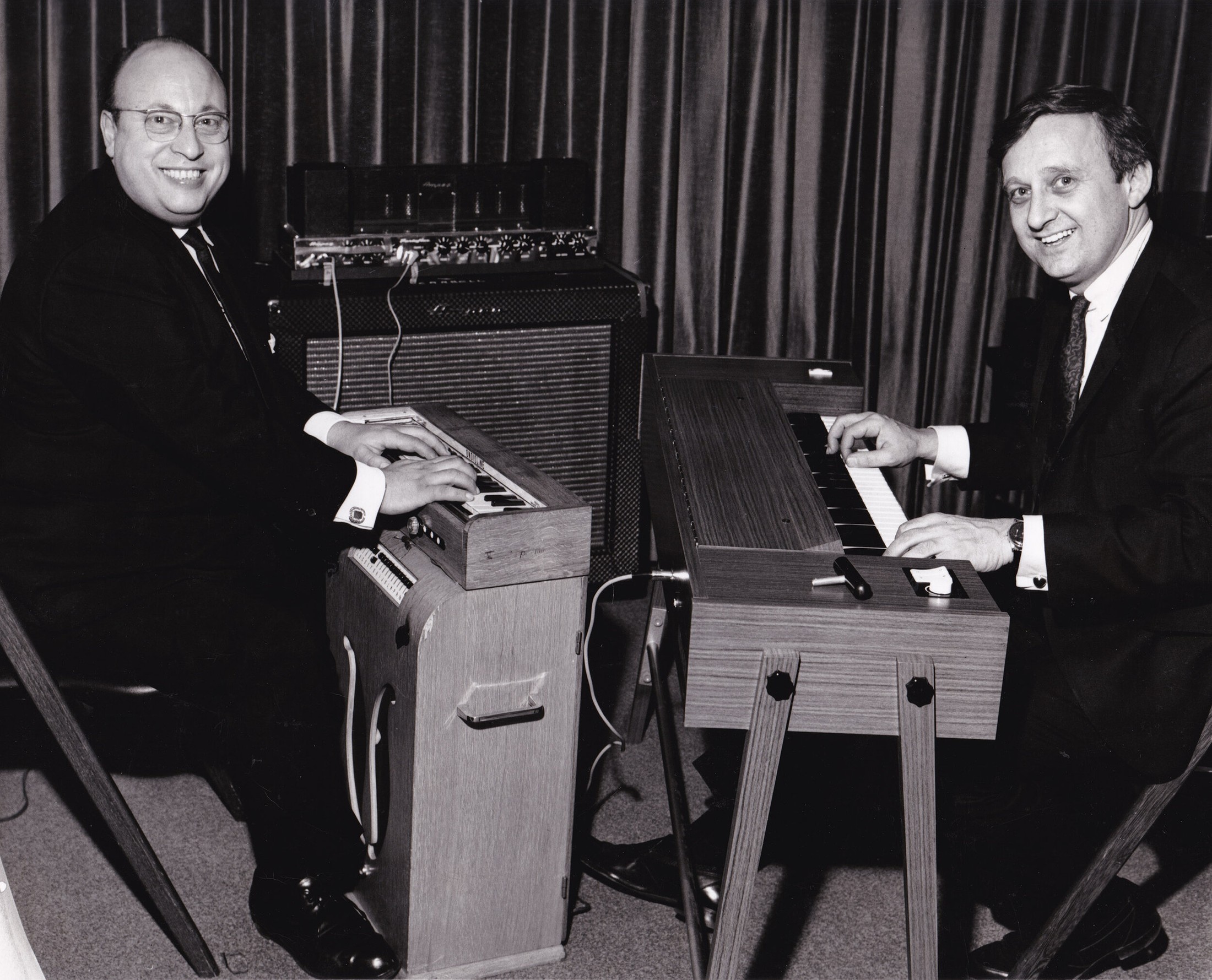
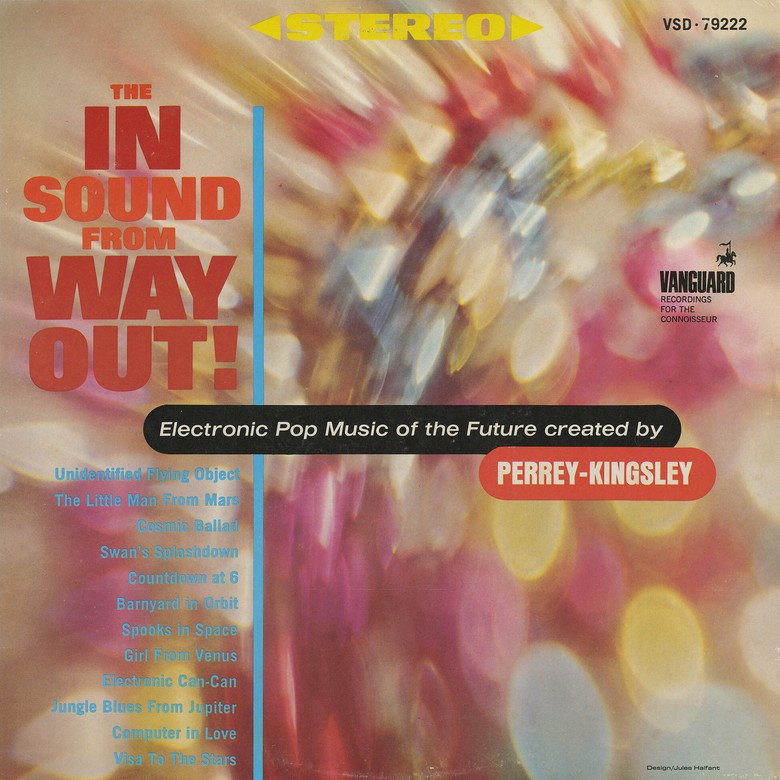
You can hear Perrey playing the Ondioline on Charles Trenet’s classic “L’âme des poètes” from 1951. More effervescent examples abound on Perrey and Kingsley’s first collaborative LP, The In Sound From Way Out!, while Kai Winding’s memorably melodic instrumental “More” from 1963 also featured Ondioline played by Perrey (though he went uncredited).
Further Perrey recordings with the Ondioline to explore include the soundtrack to the 1959 French film La vache et le prisonnier and later albums with collaborator and biographer Dana Countryman such as 2008’s eclectic Destination Space.
The chameleonic Al Kooper made use of the Ondioline in his work with the Blues Project as well as Blood, Sweat & Tears, exhibiting a markedly different approach to the instrument than Perrey.
Many people know “Jenny Ondioline” as the 1993 song by British band Stereolab, though the recording doesn’t feature the instrument.



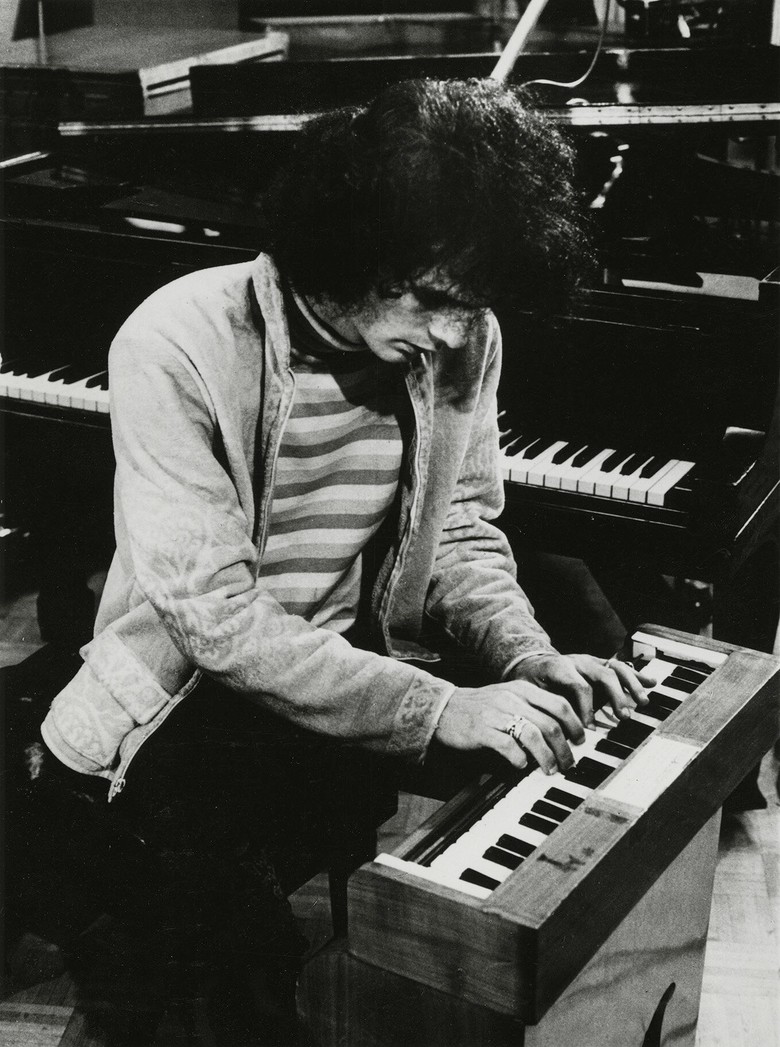

Since 2016 the musician Gotye has worked to revive interest in the Ondioline through the non-profit Forgotten Futures and with an ensemble called Ondioline Orchestra that performs tributes to Jean-Jacques Perrey’s music.
This work has been enabled by electronics technicians Stephen Masucci (USA) and Daniel Kitzig (Germany) who have undertaken extensive and faithful restorations of numerous Ondiolines, allowing Georges Jenny’s pioneering instruments to make music again after decades of dormancy.
Forgotten Futures is dedicated to the recovery of Jenny’s under-recognized work, the recreation of critical Ondioline spare parts, and the dissemination of information that will ensure the functionality and accessibility of these remarkable instruments for future generations.
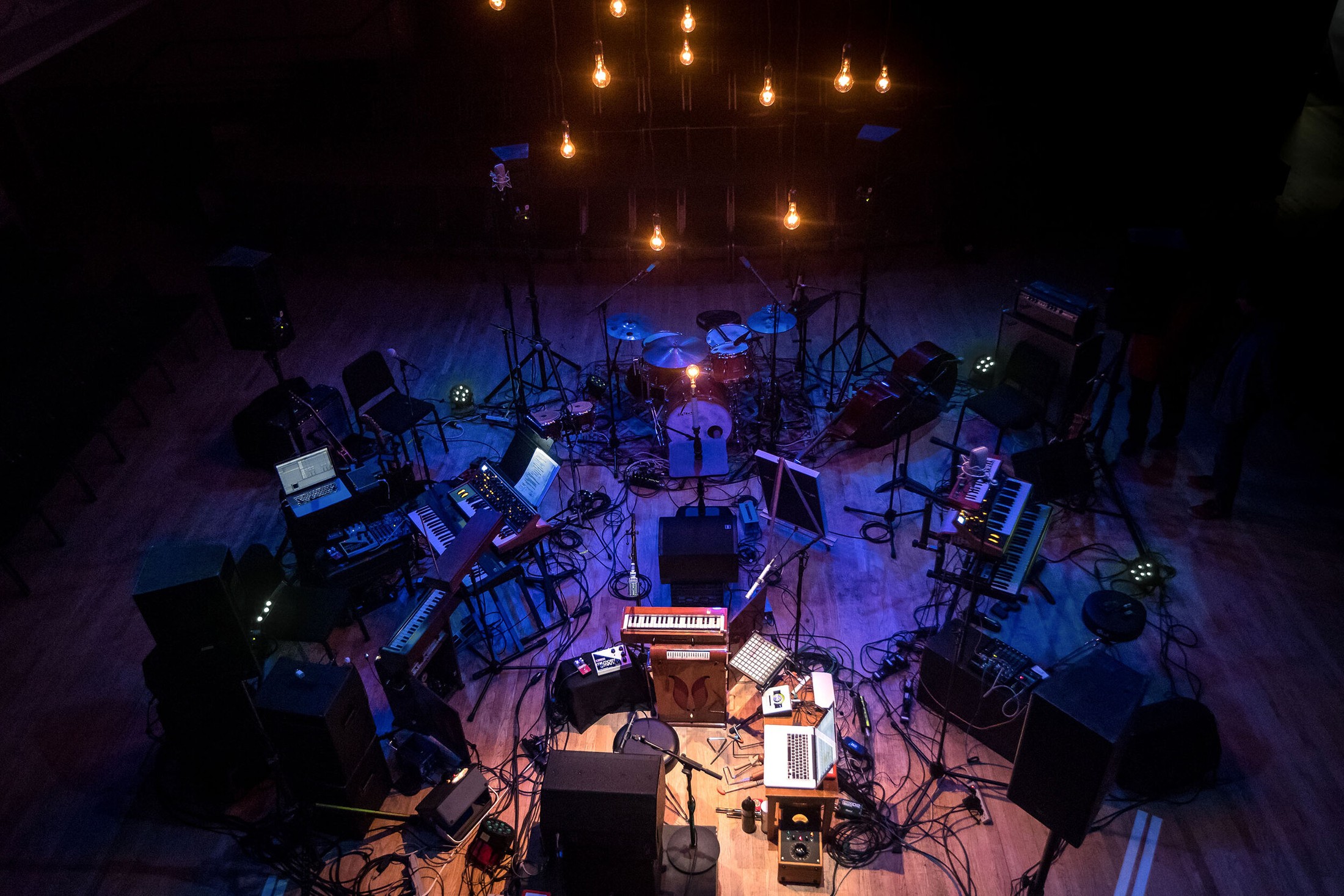

Most Ondiolines (with the exception of transistor models from the 1960s) are built around vacuum tube oscillators and amplifiers. They create harmonically rich waveforms directly in the audible frequency range. Electronic musical instruments that preceded Georges Jenny’s research, such as the theremin and ondes Martenot, tended to use a super heterodyne technique of “beating” two frequencies above the audible range against each other to create a third “difference frequency” which is perceptible. Jenny determined that the raw waveform resultant from the super heterodyne technique was not as harmonically rich a starting point as desirable, and this led him to design the Ondioline’s cathodic coupling oscillator, for which he received his first patent.
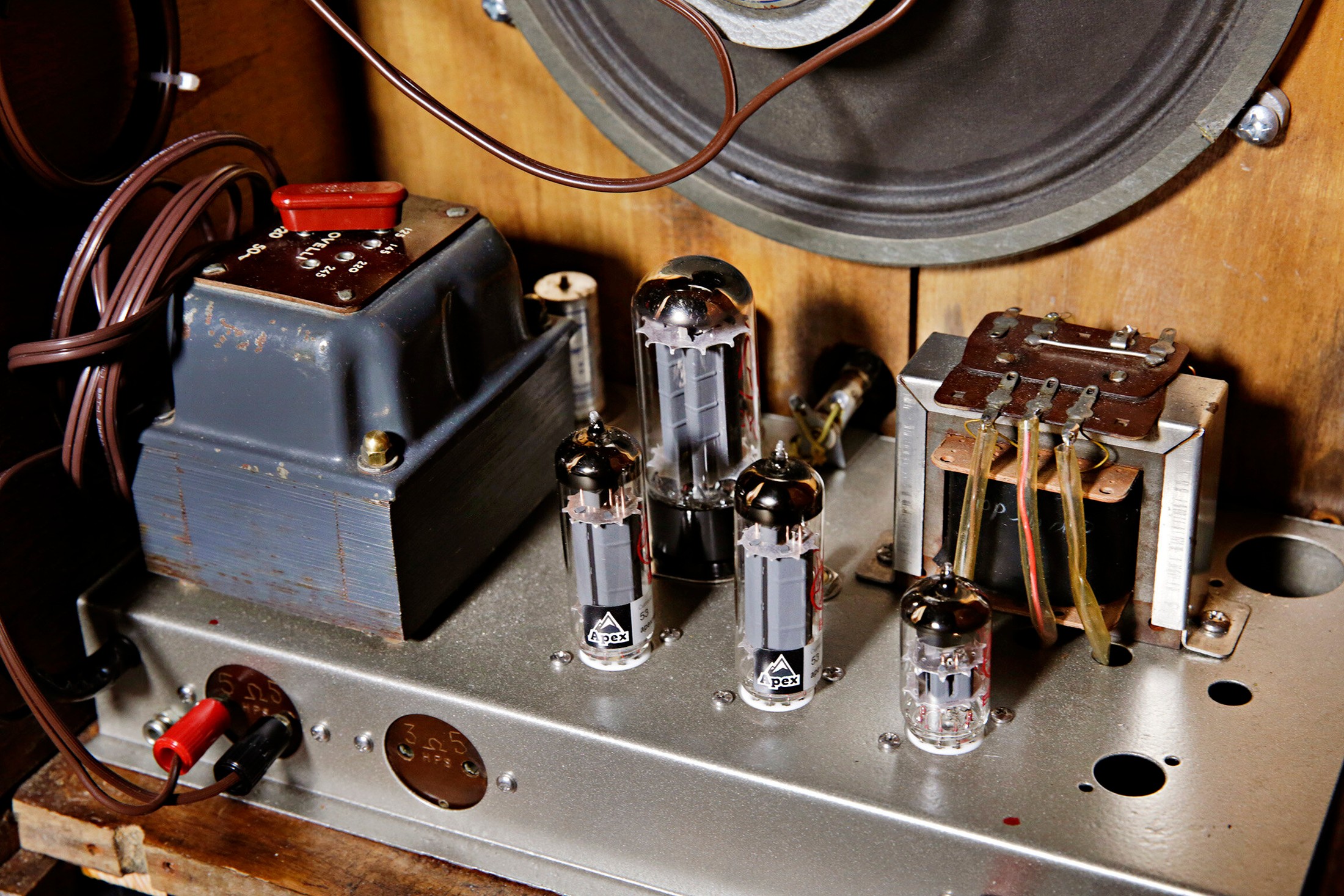
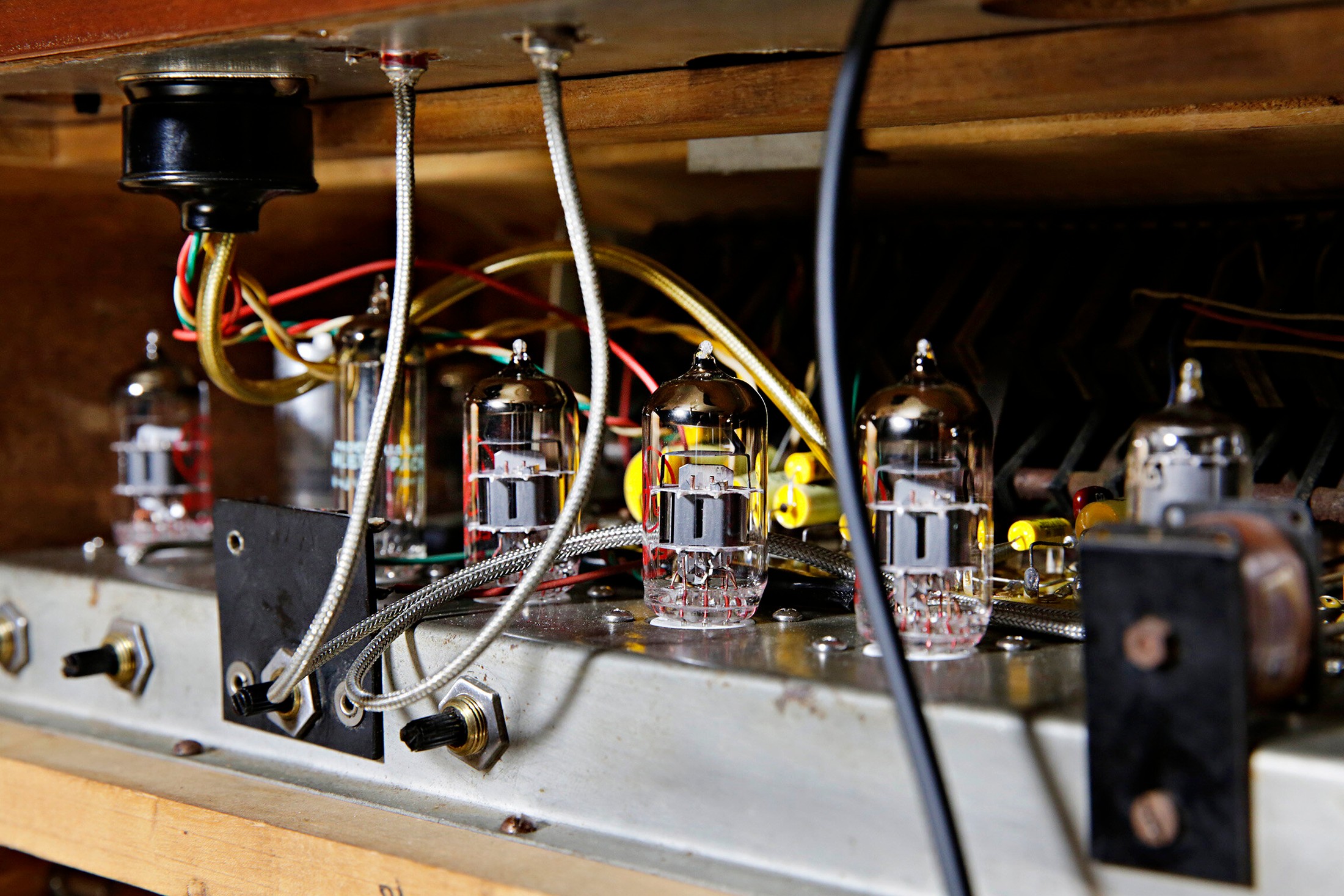
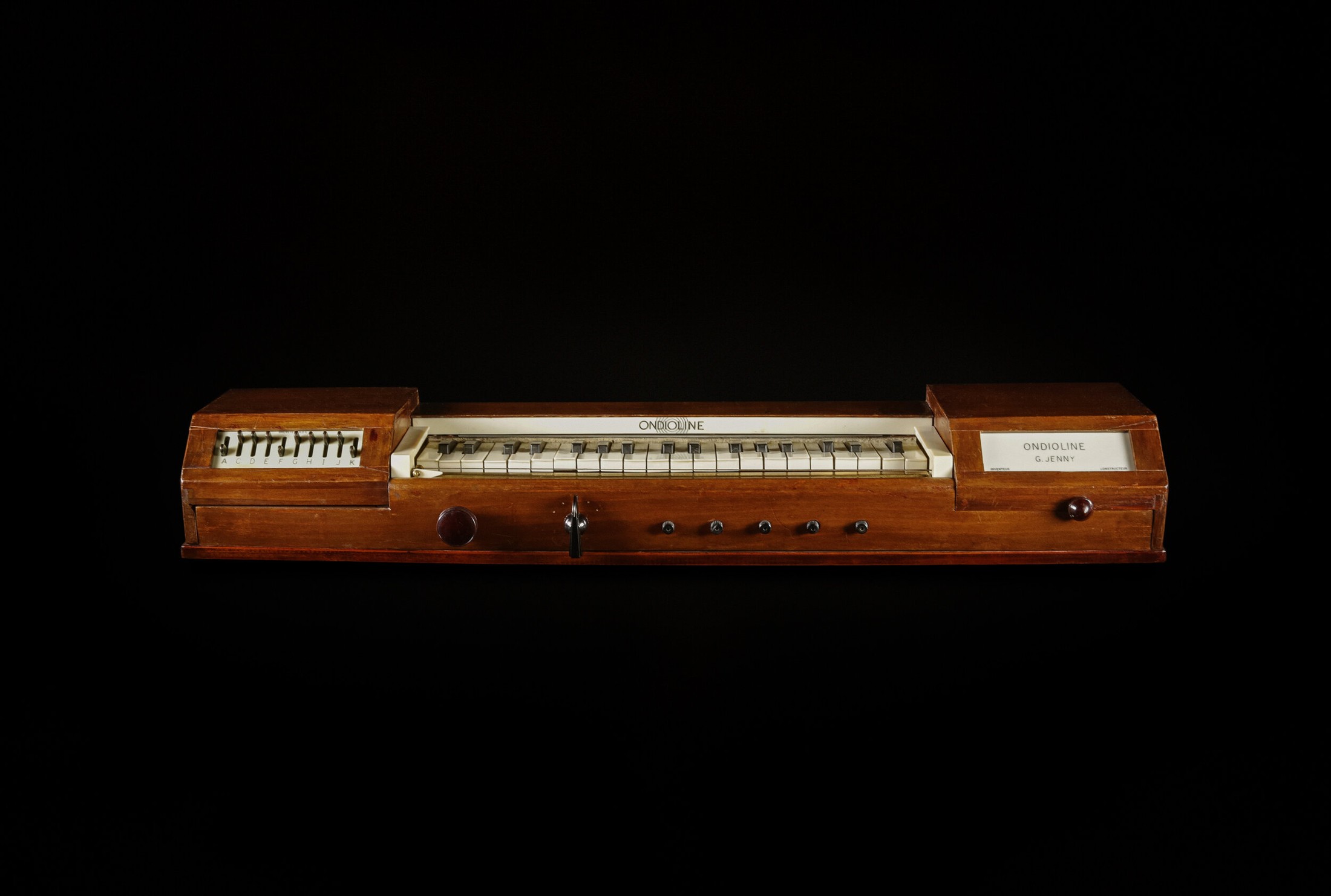
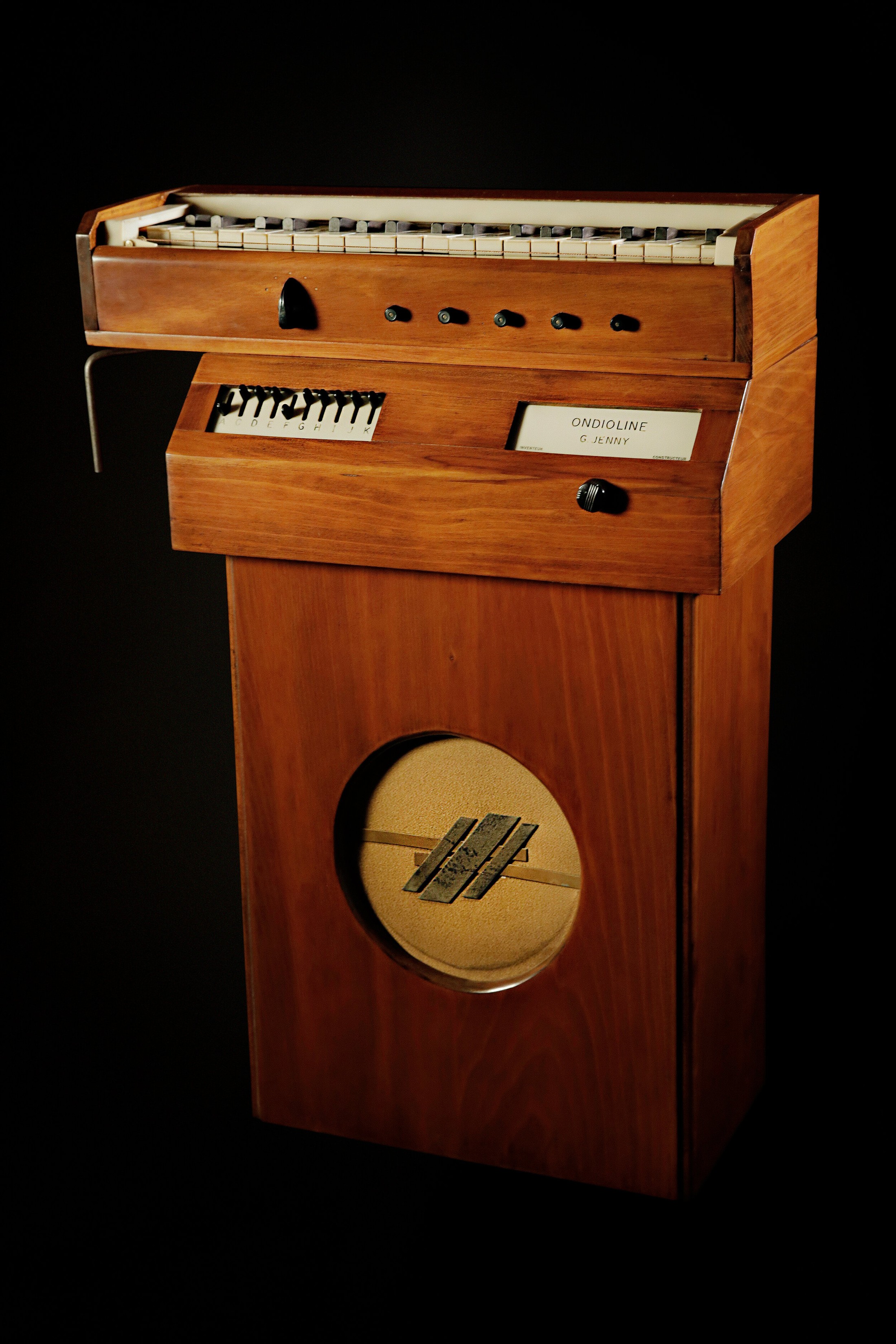
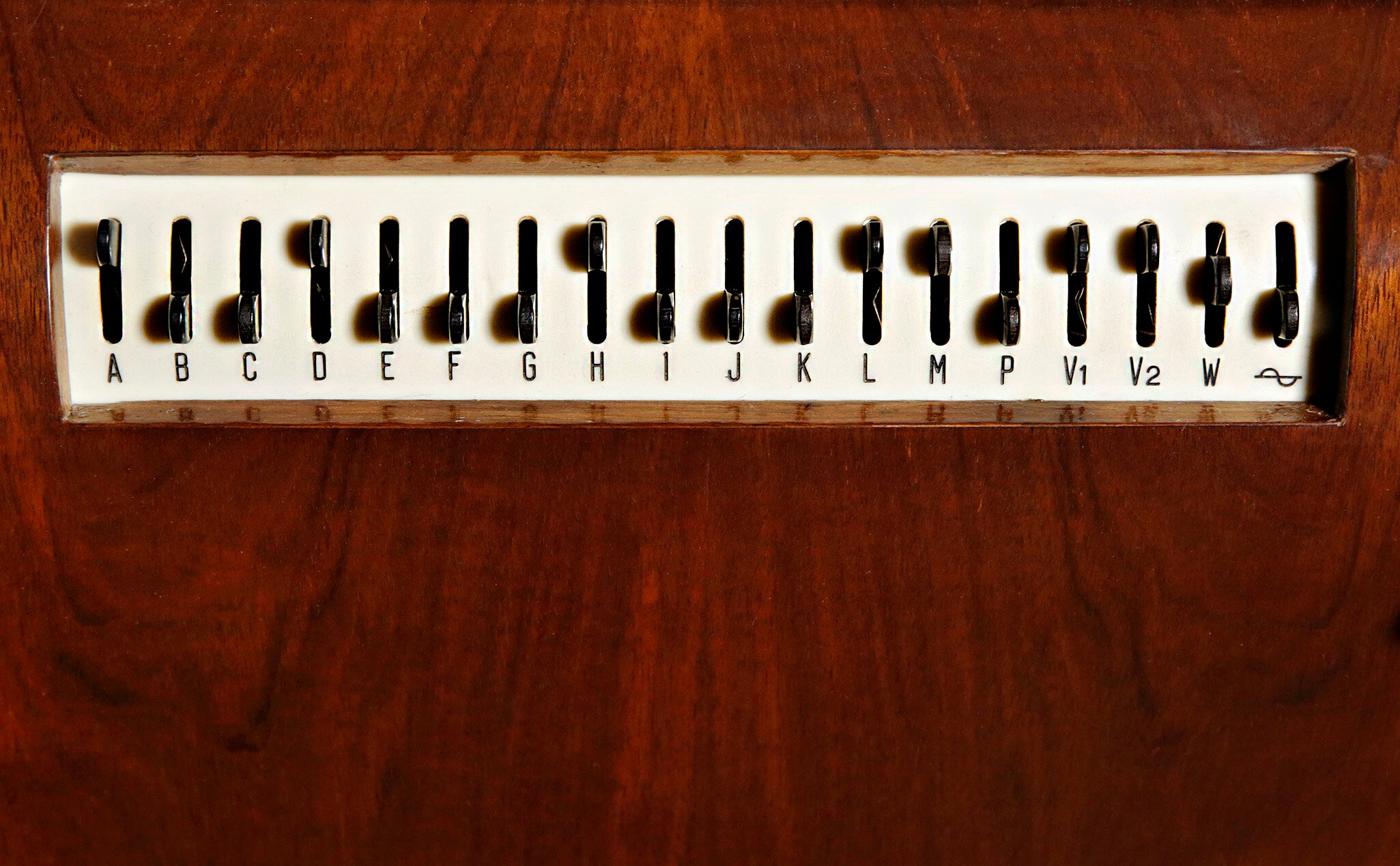
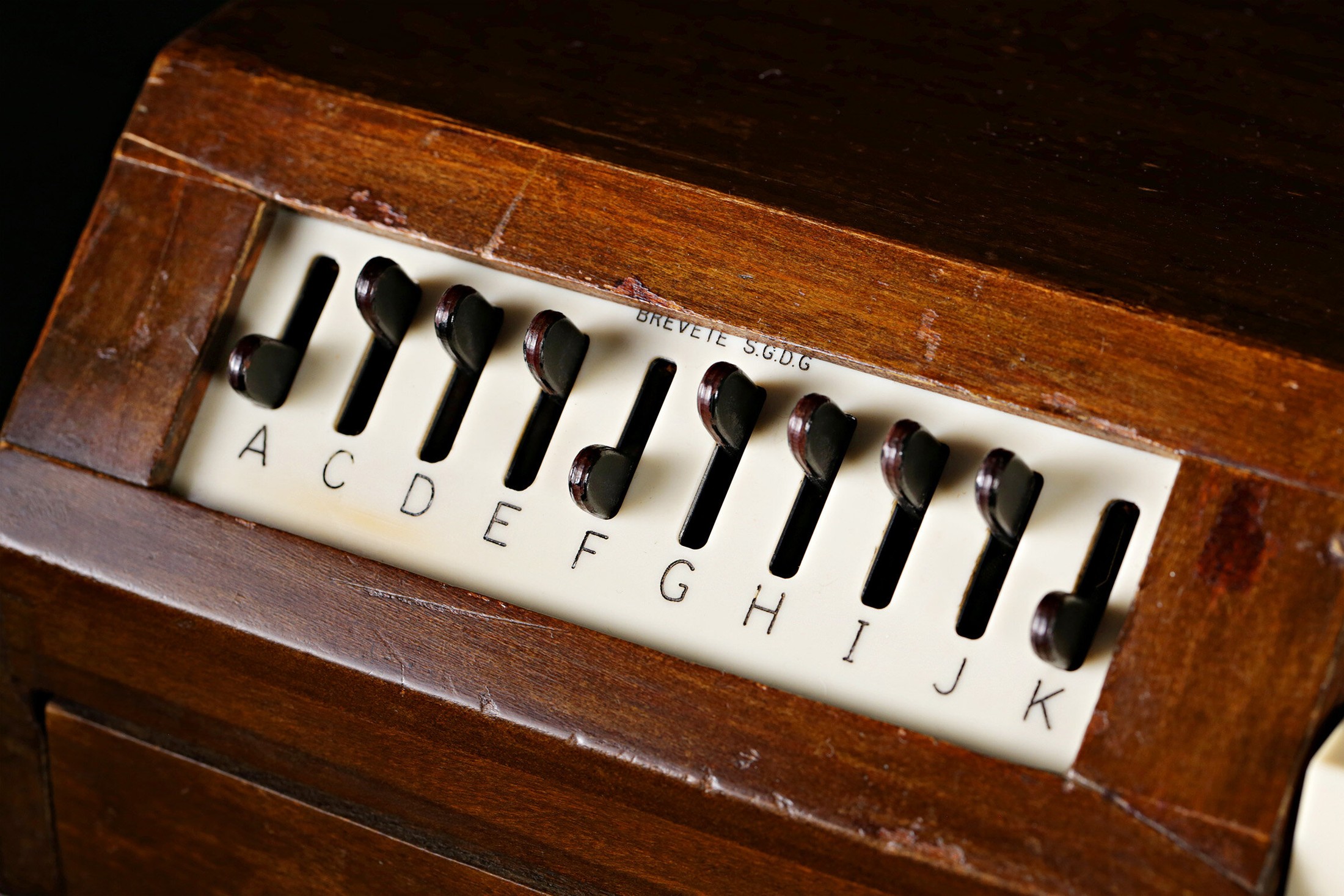
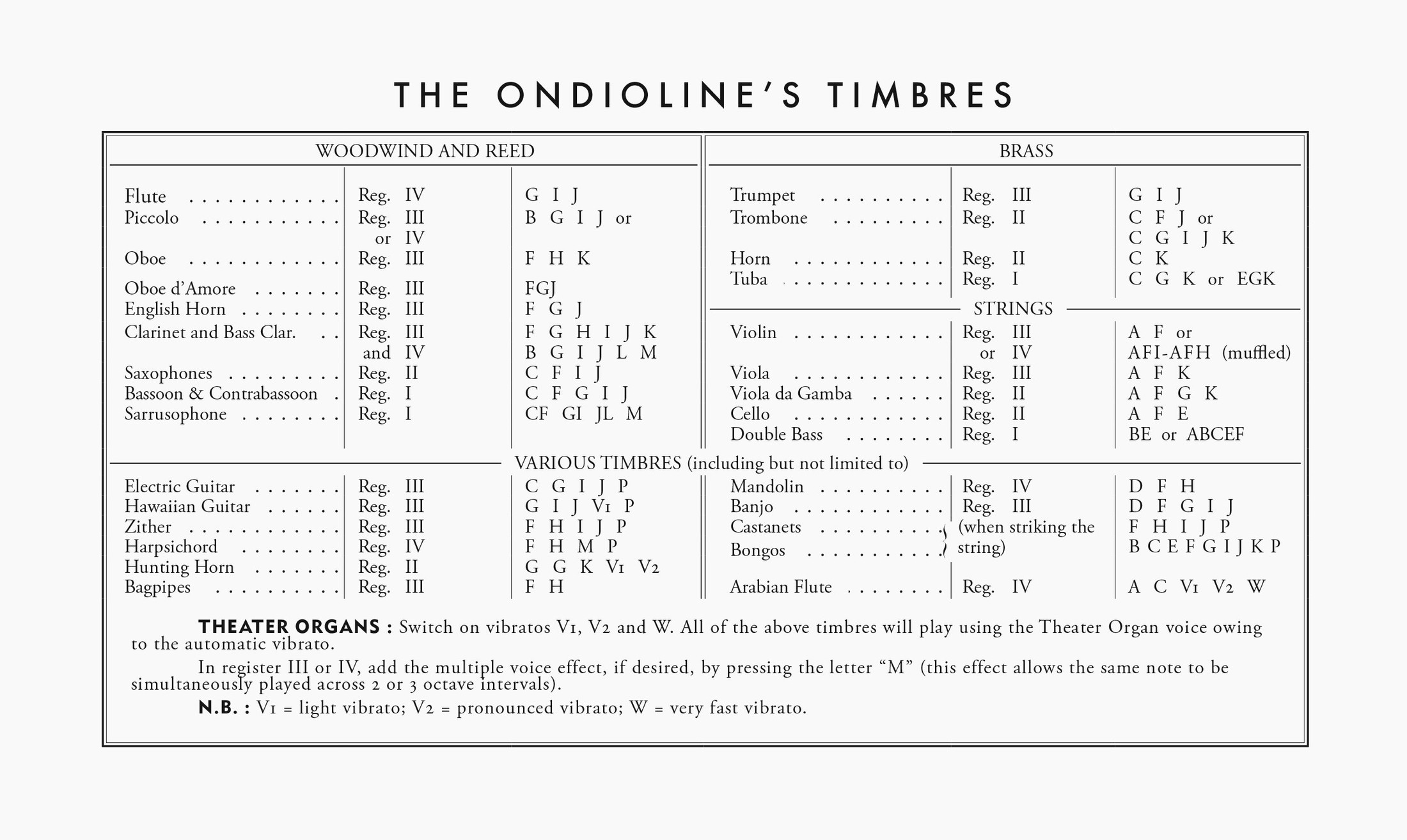
The Ondioline’s waveforms can be shaped further by lowering the lettered switches on the front of the instrument. As Jenny continued to develop the instrument, later models offered more options including automatic vibratos and a tremolo.
The alphabetized switches A to K variously introduce capacitors and/or resonant coils in the circuit, filtering specific frequencies and creating resonant shapes that result in a very wide variety of sound possibilities. The L, M and P switches have different functions depending on the model of Ondioline, but broadly they control percussion effects (the L, M and P switches, in various combinations, on the earlier models) or octave coupling on later models (the M and L switches).
The switches V1, V2 and W control the speed and depth of automatic vibratos. On later models these switches also determine the speed and depth of a tremolo effect which is accessed by lowering the D switch.
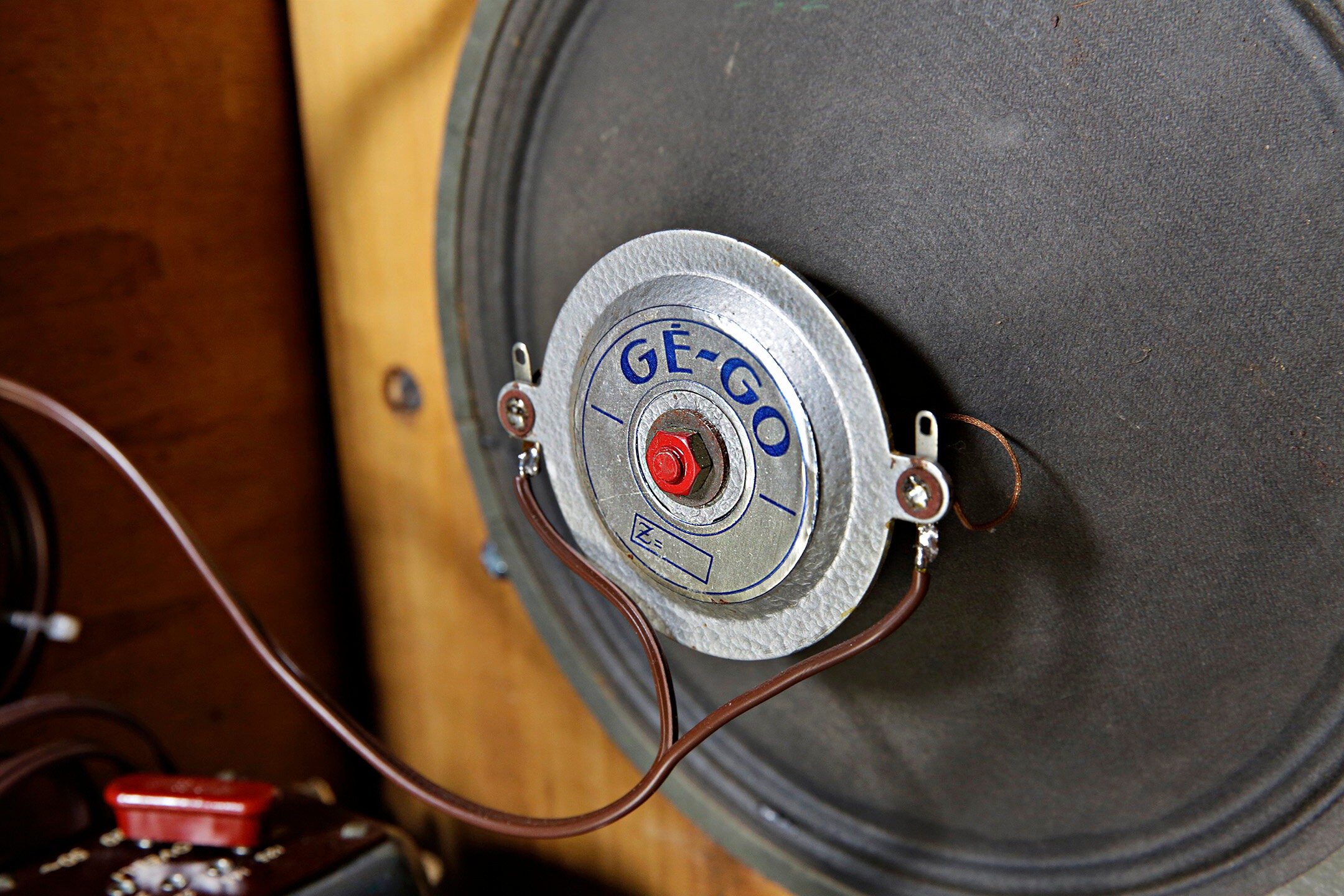
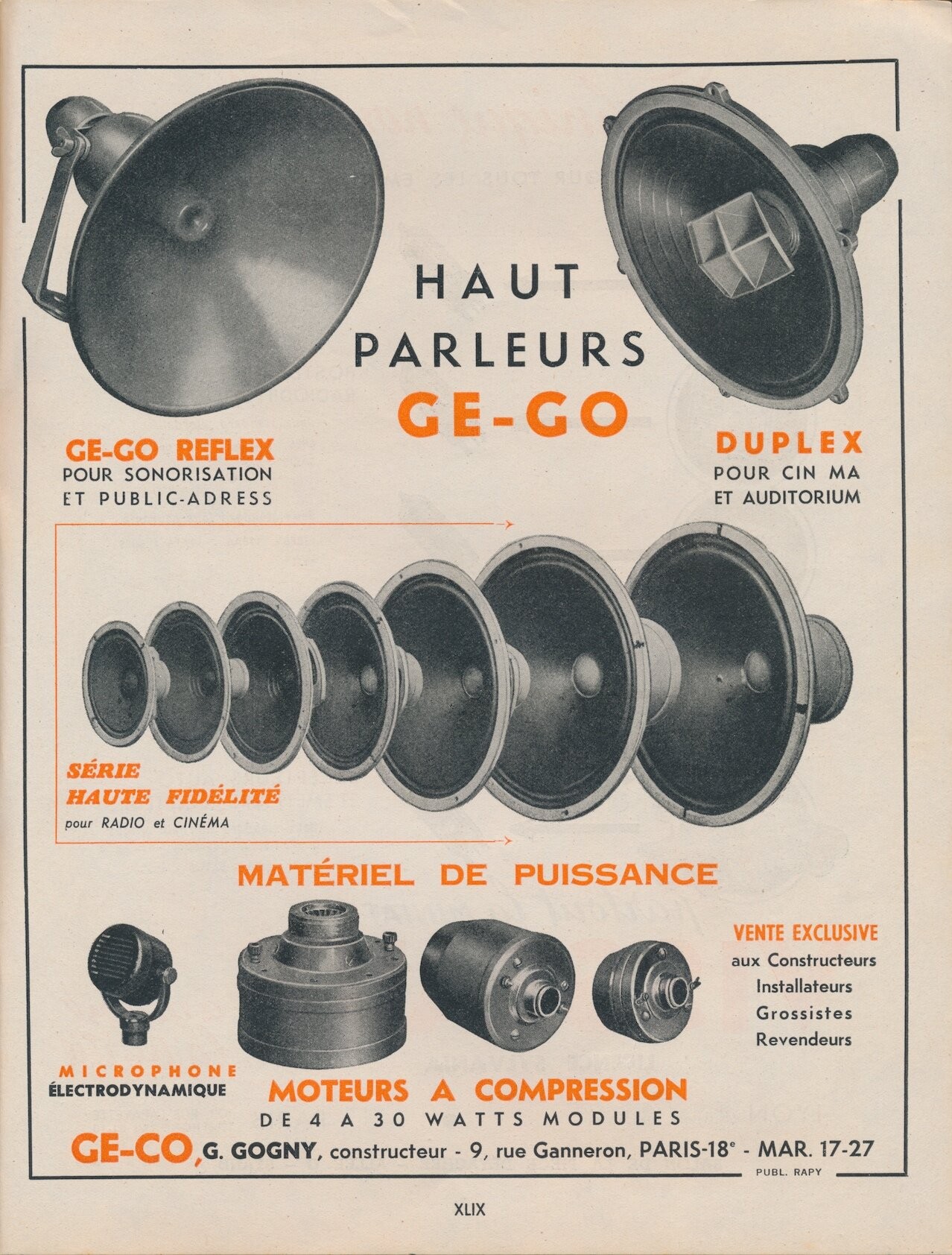
The Ondioline’s 10" speaker was selected specifically to complement Jenny’s finely tuned resonant circuits and amplifier design. It is a critical element in the instrument’s sound, particularly for woodwind and brass-like tones that can simulate overblowing effects when the amplifier is overdriven into the speaker. Jenny used a boutique brand of French speaker named Gé-Go almost exclusively. Like Ondiolines, Gé-Go speakers were handmade by the company’s proprietor Georges Gogny.
The Ondioline offers two mechanisms for shaping the envelope of sounds. The overall volume – the gain driving the amplifier – is controlled by a knee lever attached under the left side of the keyboard. Musicians accompanying themselves on piano would play this lever with their right knee. When playing solo, the lever can be even more expressively controlled with the left hand.
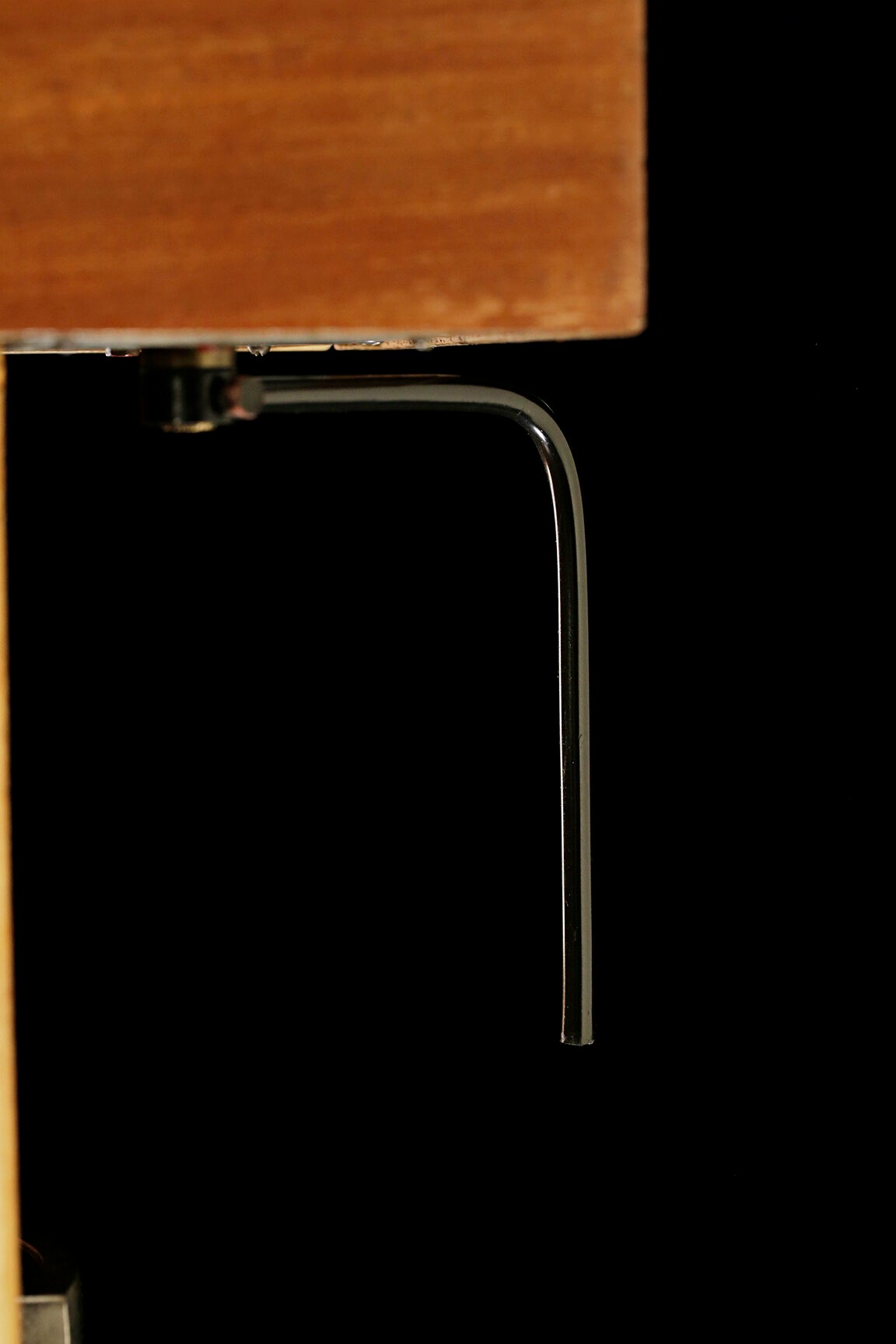
The keyboard itself is also touch sensitive – the faster a note is attacked, the more explosive the transient at the start of the sound. If pressed down slowly, the keyboard offers a slower attack as well as a legato connection between notes. Compared with most other electronic instruments of this period, this aspect of expressivity via the keyboard is truly remarkable, and when combined with expert playing of the knee lever, the range of expression is wide and detailed.
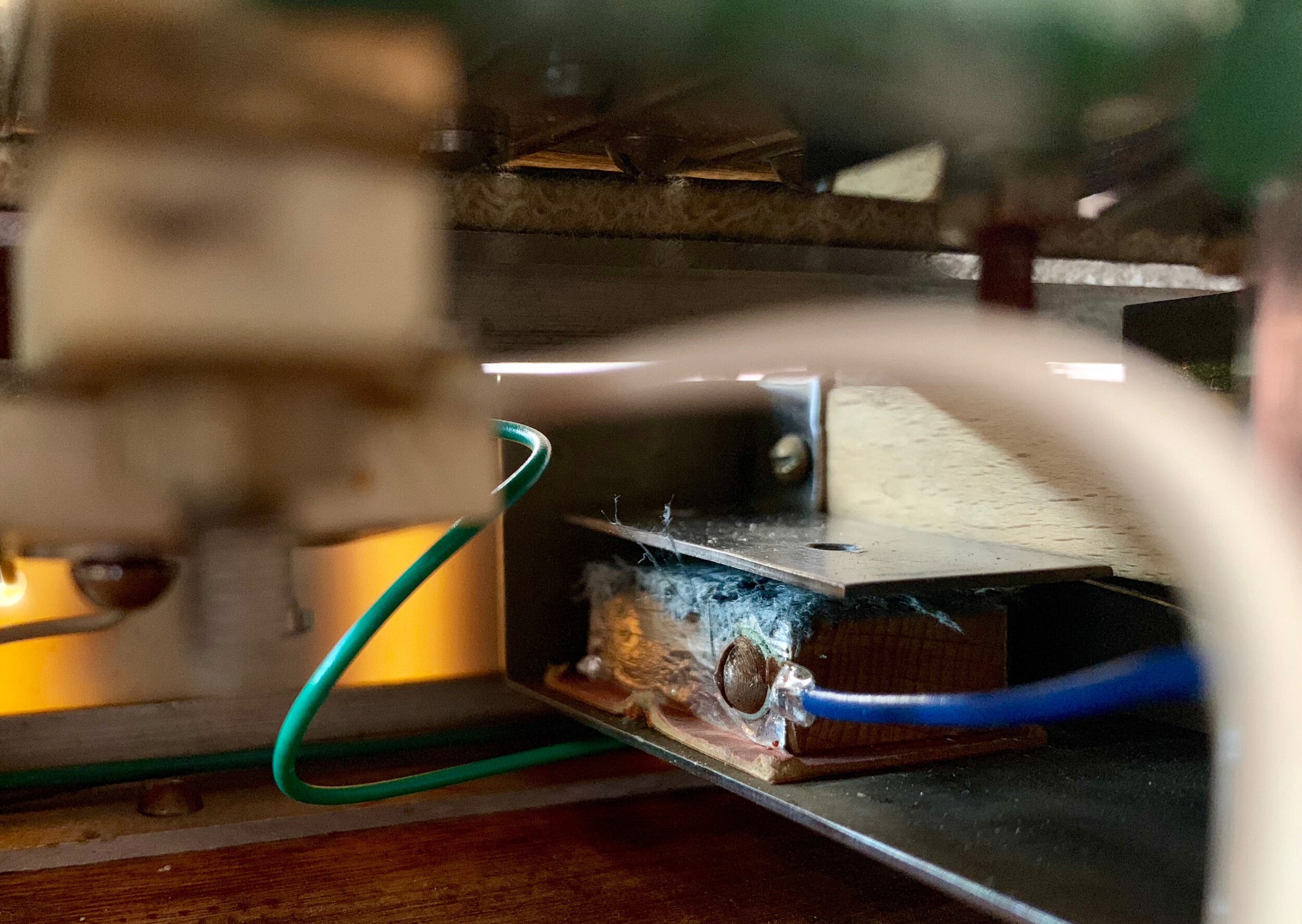
The mechanism by which Jenny achieved his touch sensitive keyboard is unique in electronic musical instruments. Named the “progressive attack”, the assembly consists of a metal box mounted under the keyboard, inside which is a small thin piece of crocidolite – a rare type of blue asbestos.
When any key on the Ondioline’s keyboard is pressed down, an assembly at the top of the progressive attack box is lowered, compressing the crocidolite. Despite being an insulator, Jenny coaxes low-level resistive-capacitive properties from this asbestos because of the high voltages going into this part of the circuit (~145 V). The result is complex transient distortions (non-tonal noise-like properties) at the start of notes which add significant detail and musicality to the Ondioline’s sounds.
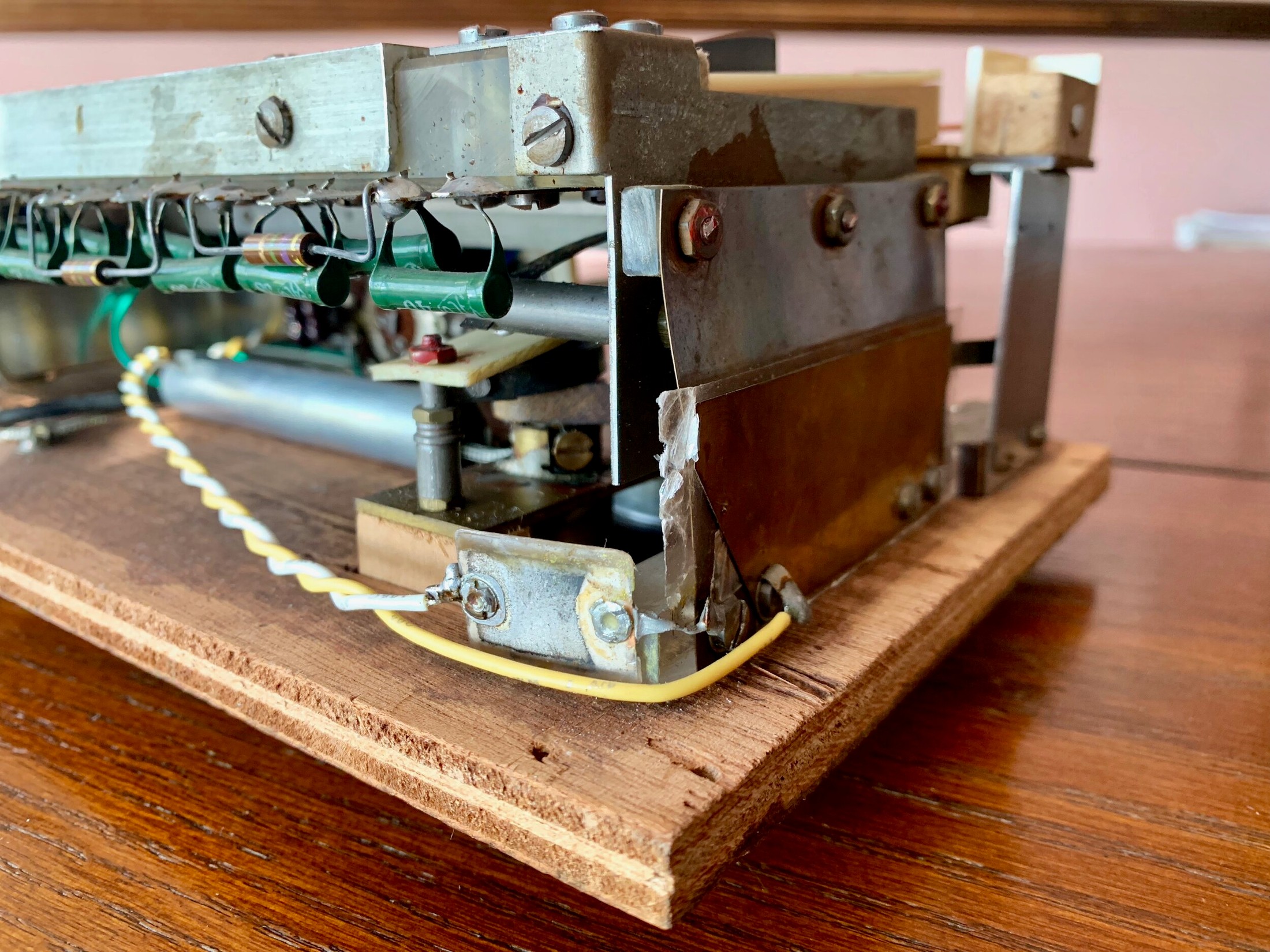
The Ondioline also has a laterally moving keyboard, which allows manual vibratos to be executed in musically expressive ways. Jenny experimented with a number of different setups but on the later and more accomplished models, the keyboard is suspended on two thin flexible brass plates. When the keyboard is moved from side to side, the left plate moves towards and away from a third plate, which is fixed. The physical distance between these two plates varies the capacitance in a circuit, which varies the pitch of a note.
Taken together, Georges Jenny’s circuit designs and mechanical assemblies for the Ondioline represent a unique pocket of electronic musical instrument design. His pioneering work in transient research and resonant filtering deserves further study as do the specific models of Ondioline he developed.